10 Mistakes to Avoid When Training Muay Thai in Thailand (2026)
Avoid common mistakes training Muay Thai in Thailand—choose the right camp, prepare for the climate, and make your trip rewarding from day one.
On this page
- Why Training Muay Thai in Thailand Is Different
- Training culture, pace, and expectations
- Heat, recovery, and daily routine
- Why foreigners often get caught off guard
- The 10 Most Common Mistakes
- Mistake 1: Choosing a Camp That Doesn’t Match Your Goals
- Mistake 2: Ignoring Thai Gym Etiquette and Local Culture
- Mistake 3: Underestimating Training Intensity and Climate
- Mistake 4: Arriving Unprepared Physically or Mentally
- Mistake 5: Bringing the Wrong Gear or Assuming Everything Is Included
- Mistake 6: Neglecting Hydration, Food, and Recovery
- Mistake 7: Choosing the Wrong Location or Accommodation Setup
- Mistake 8: Not Communicating Injuries, Limits, or Goals
- Mistake 9: Booking Based on Hype Instead of Trusted Information
- Practical Checklist to Avoid These Mistakes
- Why Verified Camp Information Matters
- Conclusion: Make the Most of Your Muay Thai Journey
Dreaming of training in Thailand? The biggest mistakes training Muay Thai in Thailand usually happen before the first pad round even starts: choosing the wrong camp, underestimating the heat, assuming every gym works the same way, or booking based on hype instead of fit.
That matters because a Muay Thai trip can be one of the most rewarding training experiences you ever have, but it can also become expensive, exhausting, or disappointing if the basics are wrong. A good camp choice usually comes down to five things: goal fit, level fit, destination fit, package clarity, and booking confidence.
This guide will walk you through the most common Muay Thai training mistakes in Thailand and how to avoid them, so you can train with clearer expectations and make smarter decisions. If you are still figuring out where to start, the free Elite Fight Fitness Muay Thai trip builder is a simple way to narrow suitable options by goals, budget, trip length, destination, accommodation preferences, fitness level, and experience level.
Why Training Muay Thai in Thailand Is Different
Training in Thailand often feels very different from training at home. The pace can be more immersive, the environment more demanding, and the gym culture more rooted in local habits and expectations.
Training culture, pace, and expectations
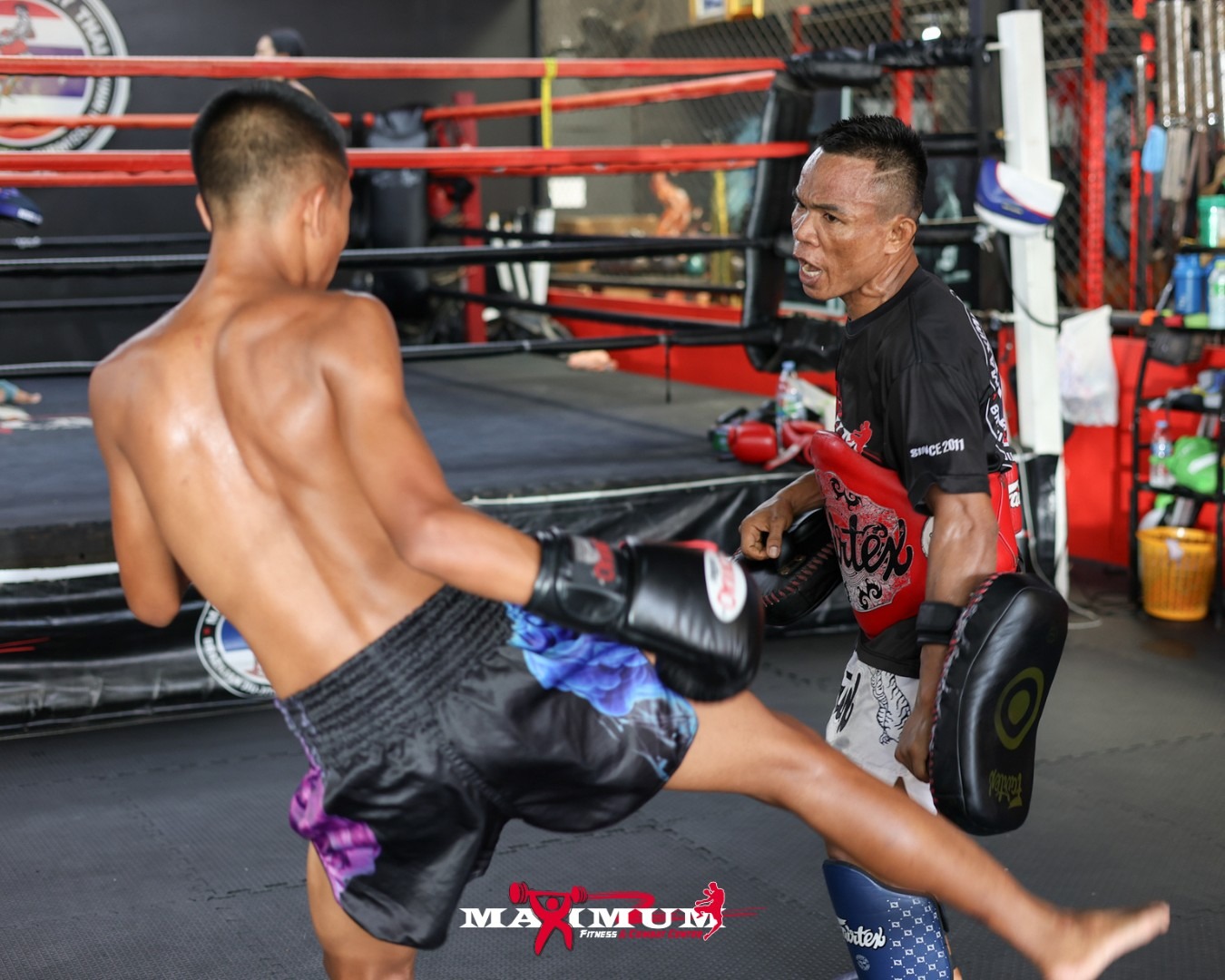
Some travelers arrive expecting a fitness holiday. Others expect a fight camp. The problem is that Thailand has many different camp styles, and not all of them suit the same person. A beginner doing their first training trip needs a different environment from an experienced fighter preparing for competition. Our Muay Thai for beginners in Thailand guide walks through what to expect at each level.
It is also common for travelers to assume that class style, trainer communication, and daily structure will mirror what they know from home. Often, they do not.
Heat, recovery, and daily routine
Thailand’s hot, humid climate can make training feel harder than expected, especially during your first few days. Even well-conditioned athletes can feel the difference once they are doing pads, bag work, clinching, and roadwork in a tropical environment.
That is one reason overtraining, dehydration, and poor recovery are such common mistakes.
Why foreigners often get caught off guard
Most avoidable problems come from one of three things:
- Wrong expectations
- Weak comparison before booking
- Trying to do too much too soon
If you understand those risks early, you are much more likely to choose a camp and trip setup that actually works for you.
The 10 Most Common Mistakes
Mistake #1: Choosing a Camp That Doesn’t Match Your Goals
This is the biggest mistake, and it causes many of the others.
Some camps are better for beginners who want structure, coaching attention, and a manageable learning curve. Some are better for fitness travelers who want strong training without a fight-focused atmosphere. Others are more suitable for experienced athletes who want harder sparring, serious clinch work, and a competition-oriented environment.
People get into trouble when they book based on brand image, social media clips, or popularity instead of asking: What am I actually here for?
Ask yourself:
- Do you want technique development, weight loss, general fitness, or fight preparation?
- Are you a total beginner, intermediate student, or experienced fighter?
- Do you want a quieter destination or a busier travel hub?
- Do you need accommodation included, optional, or separate?
- Do you want one session a day, two-a-days, or a more flexible package?
A better decision comes from comparing current camp details side by side, not scrolling random posts and guessing. Elite Fight Fitness makes that easier by helping you compare verified camps in one place and narrow options based on your actual trip goals rather than hype.
Find Your Ideal Muay Thai Camp
Mistake #2: Ignoring Thai Gym Etiquette and Local Culture
One of the most common mistakes foreigners make training Muay Thai in Thailand is assuming every gym works like a gym back home.
Respect matters. That includes how you speak to trainers, how you carry yourself in the gym, how punctual you are, and how willing you are to observe before acting. Etiquette can vary between gyms, so it is better to arrive attentive and adaptable rather than overly confident.
Good habits include:
- Arrive on time
- Listen before interrupting
- Follow the room’s pace and structure
- Dress appropriately for training
- Show respect to trainers, staff, and training partners
You do not need perfect cultural knowledge. You just need humility and awareness. A respectful attitude usually goes a long way.
Mistake #3: Underestimating Training Intensity and Climate
Many Muay Thai camp mistakes in Thailand start with ego. People land, feel excited, and try to train at full intensity from day one.
That can backfire quickly.
Heat and humidity can affect performance, hydration, and recovery. Training volume can also be much higher than what many travelers are used to. Even if a session looks manageable on paper, the cumulative effect of daily work, climate, and travel fatigue can catch up with you fast.
How to avoid it:
- Treat the first few days as an adjustment period
- Start slightly below your maximum effort
- Build volume progressively
- Respect rest days
- Do not assume two sessions a day is automatically right for you
The goal is not to prove toughness in week one. The goal is to still be training well in week two and beyond.
Mistake #4: Arriving Unprepared Physically or Mentally
You do not need to be elite to train Muay Thai in Thailand. But arriving completely unprepared can make the experience much harder than it needs to be.
Physical preparation helps, especially if you have not trained consistently. Basic conditioning, mobility, and bag or pad familiarity can make your first sessions far more productive. Mental preparation matters too. New routines, language differences, unfamiliar food, weather, and training intensity can all add stress.
A few smart expectations:
- You may feel slower and more tired than expected at first
- You may not train at your usual level immediately
- You may need a few days to settle into the rhythm
- You do not need to be the fittest person in the gym to benefit
Before you travel, it is also sensible to review current health guidance from official sources and think through your insurance carefully, especially if you are doing combat sports training abroad.
Mistake #5: Bringing the Wrong Gear or Assuming Everything Is Included
A lot of first-timers assume every gym will provide the same equipment or that every package includes the same extras. That is a simple way to create unnecessary friction.
Gear and package inclusions vary — for a full breakdown of what different packages typically cover, see our guide to Muay Thai packages in Thailand. Some camps may have loaner equipment. Some may expect you to bring your own essentials. Accommodation packages also differ, and so do training-only options.
At minimum, many travelers should think about:
- Gloves
- Hand wraps
- Mouthguard
- Light, breathable training clothes
- Flip-flops or easy footwear
- Basic recovery items
- Any personal supports, tape, or medication you rely on
If you plan to buy gear in Thailand, that can be practical, but do not assume you should arrive with nothing. If gear matters to your experience, compare what is included before you book.
Mistake #6: Neglecting Hydration, Food, and Recovery
This is one of the most underestimated Muay Thai training mistakes in Thailand.
When people think about performance, they often focus on pad rounds, sparring, and cardio. But in Thailand, your ability to recover can shape the whole trip. Heat, sweat loss, disrupted sleep, stomach issues, and too little food can derail progress very quickly.
A few common problems:
- Not drinking enough water
- Training hard after poor sleep
- Eating too lightly for the workload
- Ignoring digestion or stomach issues
- Treating rest as laziness
Food and water habits also matter when you travel internationally. If you are not careful, even a short illness can take training days off your trip.
A better approach:
- Hydrate consistently, not just during class
- Build meals around recovery as well as convenience
- Respect appetite changes in the heat
- Keep some lighter training days
- Take recovery seriously
Mistake #7: Choosing the Wrong Location or Accommodation Setup
Camp fit is not only about coaching. It is also about where you sleep, how you commute, and what your surroundings feel like between sessions.
A camp can look appealing online but still be a poor fit if:
- The commute is longer than expected
- The area is too noisy for recovery
- The room setup does not suit a training-heavy routine
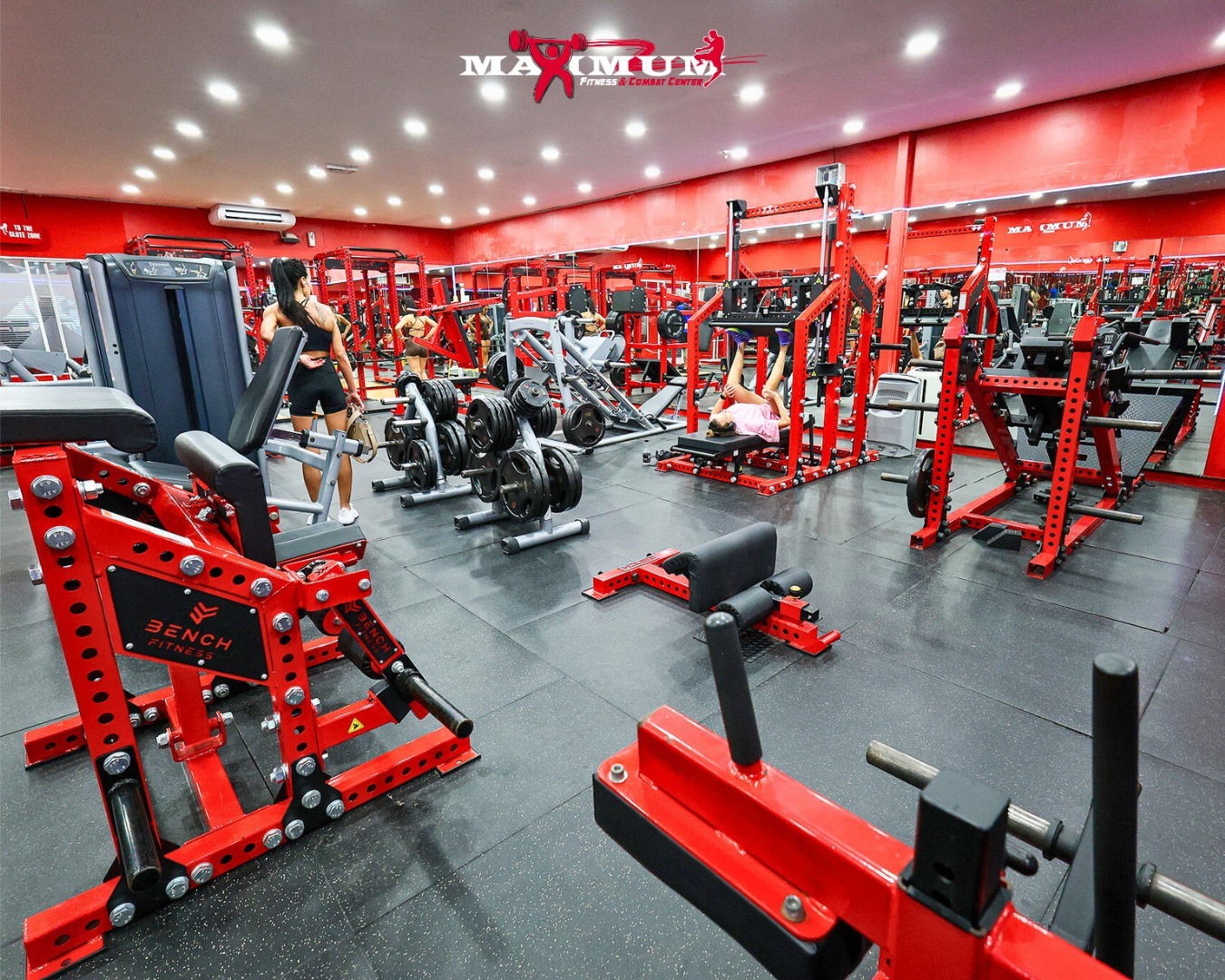
- Accommodation is separate when you wanted convenience
- The destination vibe does not match your trip style
This is especially important for longer stays. A setup that feels manageable for three days may become frustrating over three weeks. If Phuket is on your shortlist, our guide to where to stay in Phuket for Muay Thai covers the key areas and trade-offs in detail.
Think about destination fit realistically:
- Bangkok may suit travelers who want city energy and convenience
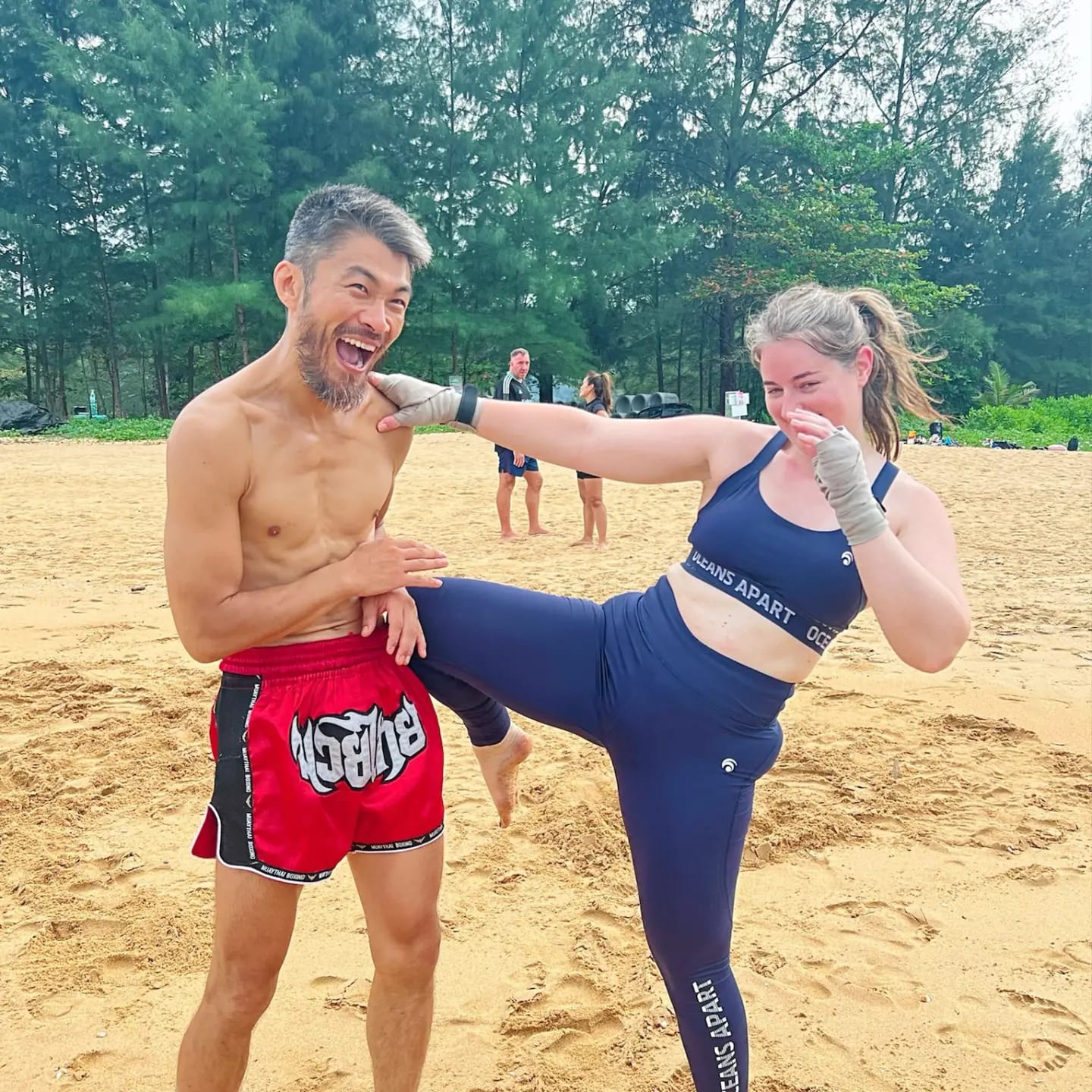
- Phuket may appeal to those who want a more holiday-friendly island setting
- Chiang Mai may suit travelers looking for a different pace and atmosphere
There is no universal best location. The right choice depends on your goals, budget, travel style, and how much structure or downtime you want around training.
If you want to avoid this mistake, Elite Fight Fitness helps you filter camps by destination, trip length, accommodation preferences, and travel style so you can build a shortlist that works on and off the mats.
Compare Camps With the Trip Builder
Mistake #8: Not Communicating Injuries, Limits, or Goals
Your trainers cannot adjust to your needs if they do not know what those needs are.
A lot of travelers stay quiet because they do not want to seem weak, inexperienced, or difficult. That often leads to the opposite result: wrong training intensity, poor session fit, or avoidable discomfort.
Be clear about:
- Injuries or recurring issues
- Current fitness level
- Whether you are a beginner
- Whether you want technique, fitness, or fight preparation
- Whether you want to spar, clinch, or keep things lighter
You do not need a long speech. You just need to communicate early and simply. Clear communication usually makes training safer, more productive, and more enjoyable.
Mistake #9: Booking Based on Hype Instead of Trusted Information
This is one of the most expensive mistakes training Muay Thai in Thailand.
A camp may look impressive on social media and still be wrong for your goals. A dramatic video tells you very little about beginner suitability, accommodation quality, session structure, package inclusions, or whether the overall environment suits your trip.
Before booking, compare the practical details that actually matter:
- Who the camp is best suited for
- Current class structure and session style
- Package inclusions
- Accommodation options
- Location and convenience
- Whether the overall setup matches your budget and trip length
This is where Elite Fight Fitness is most useful as a planning shortcut. Instead of manually comparing scattered websites and trying to interpret incomplete information, you can review verified camp options more clearly and narrow choices based on what matters to you.
Practical Checklist to Avoid These Mistakes
Use this checklist before you book your Muay Thai trip to Thailand:
- Define your main goal: fitness, technique, weight loss, or fight prep
- Choose a camp that matches your level, not just your ambition
- Compare destination style, not only training style
- Look closely at accommodation setup and commute practicality
- Review package details carefully
- Prepare for heat, humidity, and progressive training load
- Pack smart or plan local gear purchases sensibly
- Think through hydration, food, and recovery before arrival
- Communicate injuries, nerves, or limitations early
- Review travel health guidance from official sources before departure
- Check insurance terms carefully so you understand what is and is not covered
- Use a trusted platform to compare suitable options before paying
If you want a faster way to narrow the field, use the free Elite Fight Fitness Muay Thai trip builder to sort camps by goals, budget, destination, trip length, accommodation preferences, and experience level.
Why Verified Camp Information Matters
The hardest part of planning is not finding camps. It is figuring out which ones actually fit.
When information is scattered across different sites and social channels, it is easy to end up comparing style instead of substance. You see good photos, strong branding, and big promises, but still do not know whether the camp matches your level, your schedule, or your practical needs.
That is where Elite Fight Fitness helps.
Using Elite Fight Fitness is easier than manually researching everything one by one because it helps you:
- Compare verified camps in one place
- Filter by goals, destination, budget, trip length, accommodation, and experience level
- Reduce confusion from scattered information
- Move from broad research to a clearer shortlist
That does not replace good judgment. It improves it. You still need to choose based on your priorities, but it is much easier to make a calm, informed decision when the comparison process is clearer.
Conclusion: Make the Most of Your Muay Thai Journey
Most mistakes training Muay Thai in Thailand are avoidable. The key is not just motivation. It is choosing a camp that fits your goals, respecting the realities of climate and recovery, understanding the local training environment, and booking with clearer expectations.
If you do that, your trip is much more likely to feel productive, enjoyable, and worth the investment.
A smart next step is to use the free Elite Fight Fitness Muay Thai trip builder to turn your goals into a shortlist of suitable verified camps. It is a practical way to compare options by level, budget, destination, trip length, accommodation preferences, and training style before you book.