Phuket or Chiang Mai for Muay Thai? An Honest Comparison
Both Phuket and Chiang Mai are brilliant places to train Muay Thai. The right one depends on your budget, your level, and whether you want beach and nightlife or quiet old streets. Here's an honest breakdown to help you choose.
On this page
- The two-line version, if you're in a hurry
- Cost: Chiang Mai wins, and it's not close
- The vibe: beach and buzz vs. old-town calm
- Climate: pick your season carefully
- The camps themselves
- Beginner fit: which is friendlier for a first trip?
- Our honest take, from the ground
- A quick way to decide
- What about Bangkok, Krabi, or somewhere else?
- Still torn? Let the details decide
Short answer: you can't really get this wrong. Both are excellent for Muay Thai, and thousands of people fly home from each one fitter and happier than they arrived. The honest split is roughly this — Phuket gives you beaches, big international gyms and a party option most nights; Chiang Mai gives you cheaper living, calmer old streets and a more low-key training life. If you're a first-timer chasing sun and energy, lean Phuket. If you want to train hard, spend less and keep your head clear, lean Chiang Mai. Prices and packages vary by camp and season, so treat everything below as a decision framework rather than a fixed quote — check the live listing for current pricing.
Now the longer version, because "it depends" is a cop-out and you came here for an actual opinion.
The two-line version, if you're in a hurry
Phuket is the island. Big gyms, beaches ten minutes from the ring, a proper nightlife scene in Patong, and a slightly higher price tag on almost everything. It's polished, it's touristy, and for a lot of first-time training holidays that's exactly the point.
Chiang Mai is up north, inland, mountains instead of sea. The old walled city is quiet and walkable, the food is ridiculous, your money stretches further, and the whole place runs at about 20% lower blood pressure. Cooler in the dry season, too.
If those two sentences already made you go "oh, that one" — trust that instinct. It's usually right.
Cost: Chiang Mai wins, and it's not close
Let me be blunt. Day to day, Chiang Mai is the cheaper base. Rent, food, scooter hire, a coffee, a massage after training — most of it lands lower than Phuket, sometimes noticeably so. Phuket's beach real estate and tourist economy push prices up, especially anywhere near Patong or Bang Tao.
Training fees themselves are closer than people assume — a drop-in class or a weekly package doesn't swing wildly between the two regions. Where the gap shows up is everything around the training: accommodation, eating out, getting around. Over a month, that adds up to real money.
I'm not going to quote you numbers to the baht, because they move with season and camp and they'd be out of date by the time you read this. What's dependable is the direction: if budget is the deciding factor and everything else is a wash, Chiang Mai stretches further. For live, season-accurate pricing on either, the packages on each camp's page (Bronze training-only up to Gold with your stay included) are the honest source — not a blog guess.
The vibe: beach and buzz vs. old-town calm
This is the real decision, and it has nothing to do with Muay Thai technique.
Phuket is loud in the best and worst senses. You finish afternoon clinch rounds, you're on a beach by five, and if you want a night out, Patong will happily provide one. Some people thrive on that. Others find it exhausting after week two — the traffic on the coast road, the tout energy, the sheer volume of it. Honestly, Patong isn't for everyone. But Phuket is bigger than Patong. Kamala and the quieter west-coast pockets give you the island without the chaos, which is why a lot of returning trainers drift there.
Chiang Mai is the opposite temperament. The old city is moats and temples and little lanes you can actually walk down. Cafés everywhere. A digital-nomad crowd that means good coffee and reliable wifi if you're working alongside training. Evenings are markets and cheap, brilliant food rather than beach clubs. It's calmer. For some people that reads as "boring" — fair enough, if nightlife is the point, you'll be happier down south. For most people training seriously, that calm is exactly what lets them actually recover and go again the next morning.
Climate: pick your season carefully
Both are hot. Both are humid. But they're not the same weather.
Phuket is tropical-island humid basically year-round, with a rainy season roughly May through October that brings heavy, sticky afternoons. Training through it is completely doable — the gyms have open-air rings and you sweat buckets regardless — but the mugginess is relentless.
Chiang Mai has a genuinely pleasant cool-dry stretch, roughly November to February, when mornings are crisp and it's about as comfortable as training in Thailand gets. The catch is the burning season, roughly late February into April, when agricultural fires push air quality down and it can get genuinely hazy. If you're asthmatic or sensitive, that window is worth avoiding in Chiang Mai — and it's a real point in Phuket's favour for those months, since the sea breeze keeps the island's air cleaner.
So the climate answer flips with the calendar. Coming in December or January? Chiang Mai is glorious. Coming in March? The north can be smoky — think hard, or head to the coast.
The camps themselves
You're not short of good gyms in either place. That's the honest truth — the difference is scene, not quality.
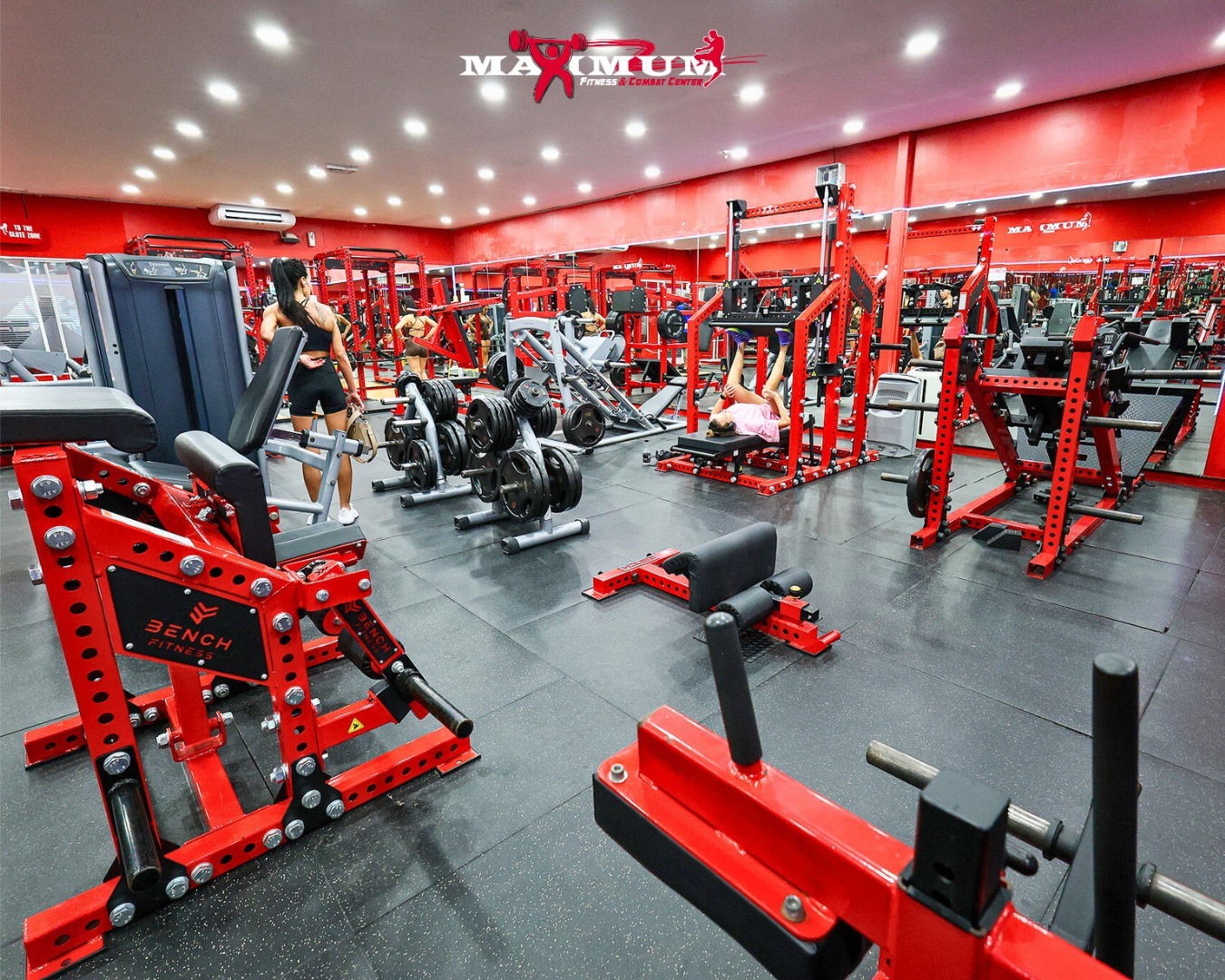
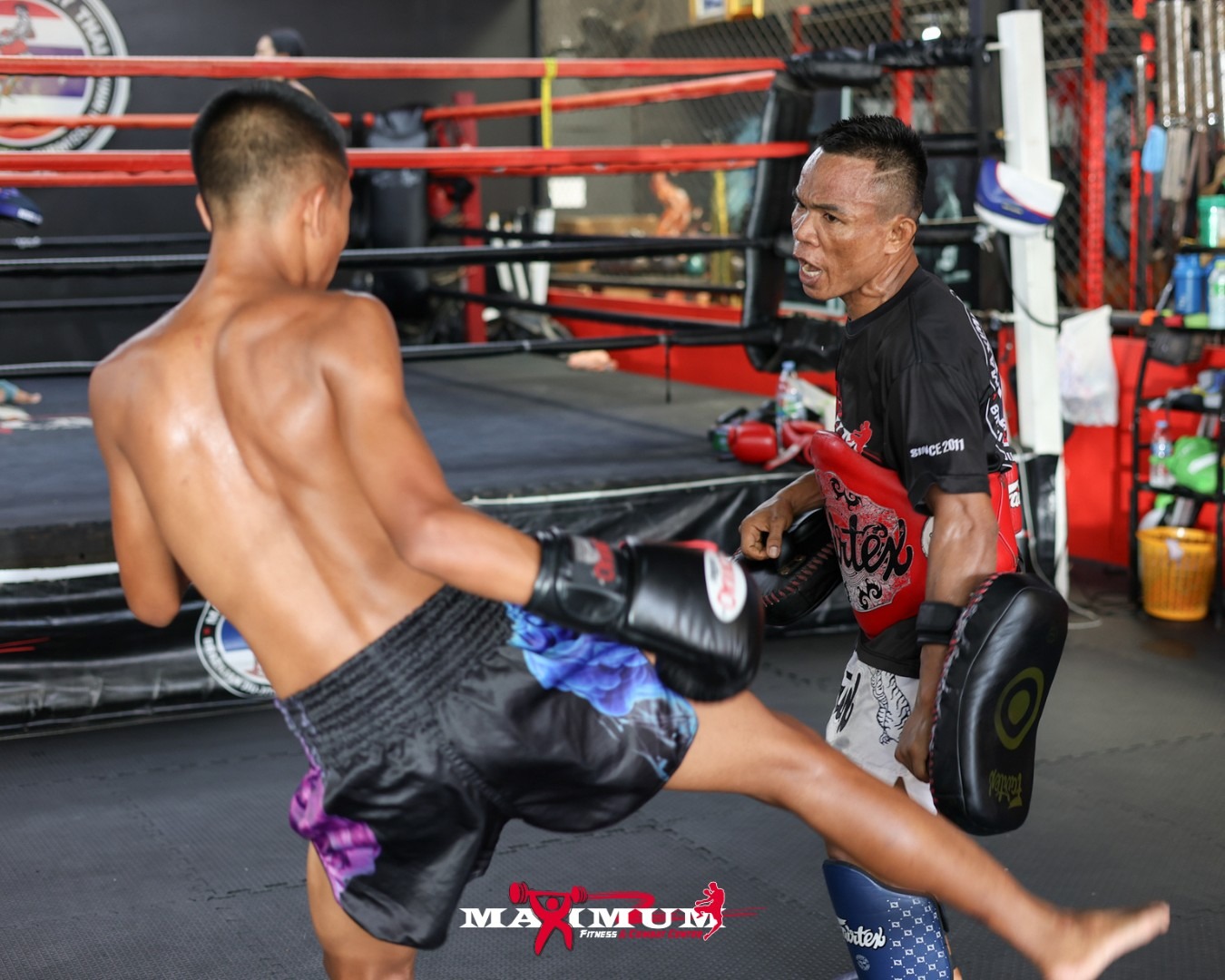
Phuket has some of the biggest, most internationally known camps in the world, the kind of names people recognise before they've ever bought a plane ticket. The scene skews toward polished operations with English-speaking staff, structured beginner classes, and accommodation on or near site. Our vetted partners on the island include Maximum Fitness & Combat Center and RC Rachai in Patong, and Kamala Muay Thai over on the quieter Kamala side. If you want the full lay of the land, the Phuket training guide and the best Muay Thai gyms in Phuket rundown go deeper on who suits whom.
Chiang Mai's scene feels more homely and, in places, more traditional — smaller gyms, tight-knit, a strong local fighter culture without the resort-package sheen. Our partner up there is Chiang Mai Muay Thai Gym in the Old City, and the best Muay Thai camps in Chiang Mai guide covers the wider picture. If you want structure and a big-camp experience, Phuket edges it. If you want something quieter and more grounded, the north.
Either way, don't overthink the specific gym before you've picked the region. Region first, camp second.
Beginner fit: which is friendlier for a first trip?
If it's your first time ever putting on gloves, I'd gently steer most people toward Phuket for the first trip. Not because Chiang Mai is unwelcoming — it absolutely isn't — but because Phuket's bigger camps run more beginner-oriented sessions, have more English-speaking coaches on hand, and are set up for people who've flown in for a training holiday rather than to fight. The whole ecosystem — airport transfers, on-site rooms, someone who'll explain what a teep is without making you feel daft — is more built-out.
That said, if it's your first trip and you specifically want to escape the party temptation and just train and reset, Chiang Mai's calm can be the smarter choice. Plenty of nervous first-timers have had the trip of their lives up north precisely because there was nothing to do in the evening except stretch, eat, and sleep.
If it's your first trip, I'd skip the hardcore fighter-track camps entirely, wherever you go. You want a place that trains beginners every single day, not one that tolerates them.
Our honest take, from the ground
If you put a gun to my head and made me pick one for a stranger who gave me no other information, I'd say Phuket for a first trip and Chiang Mai for a second. That's the pattern I keep seeing.
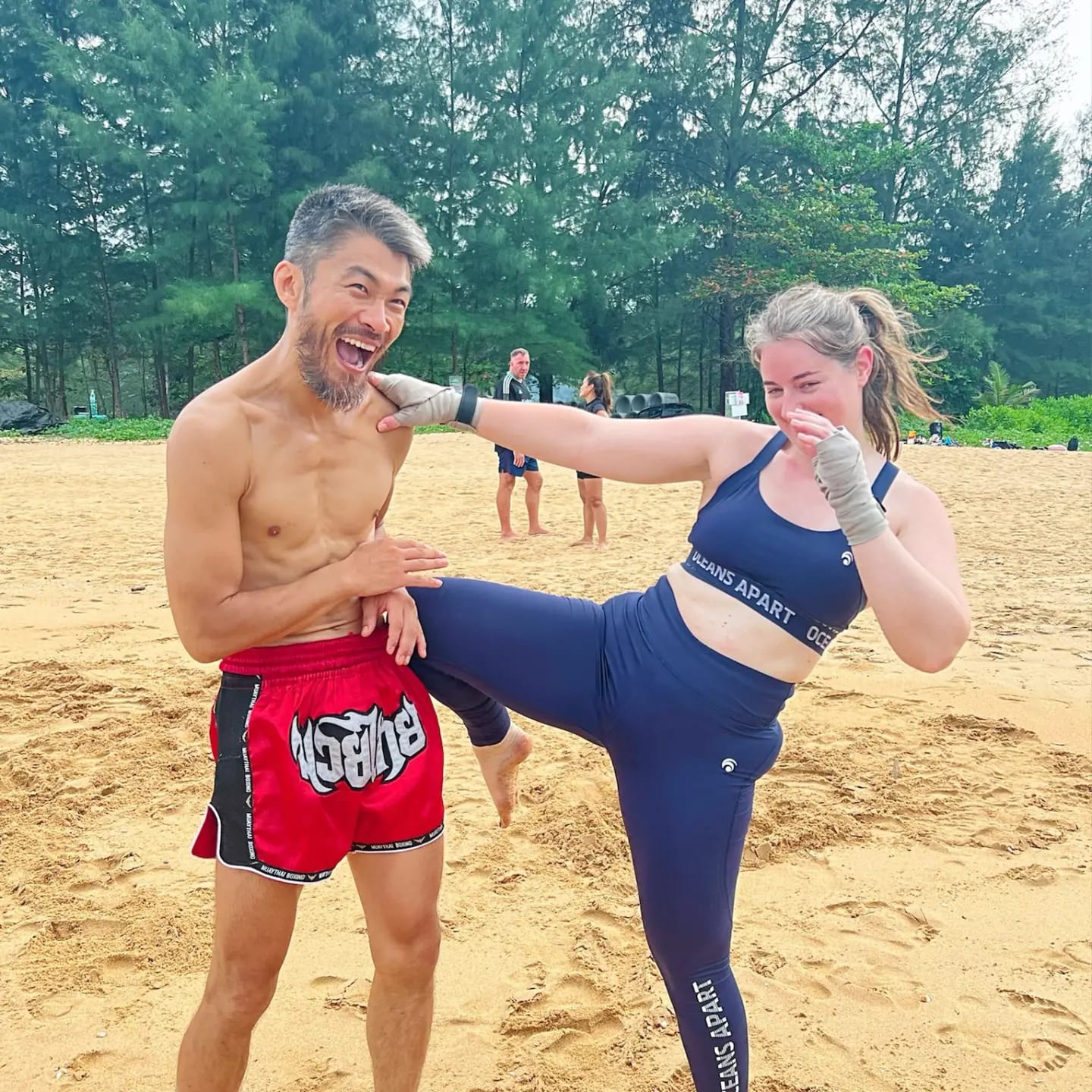
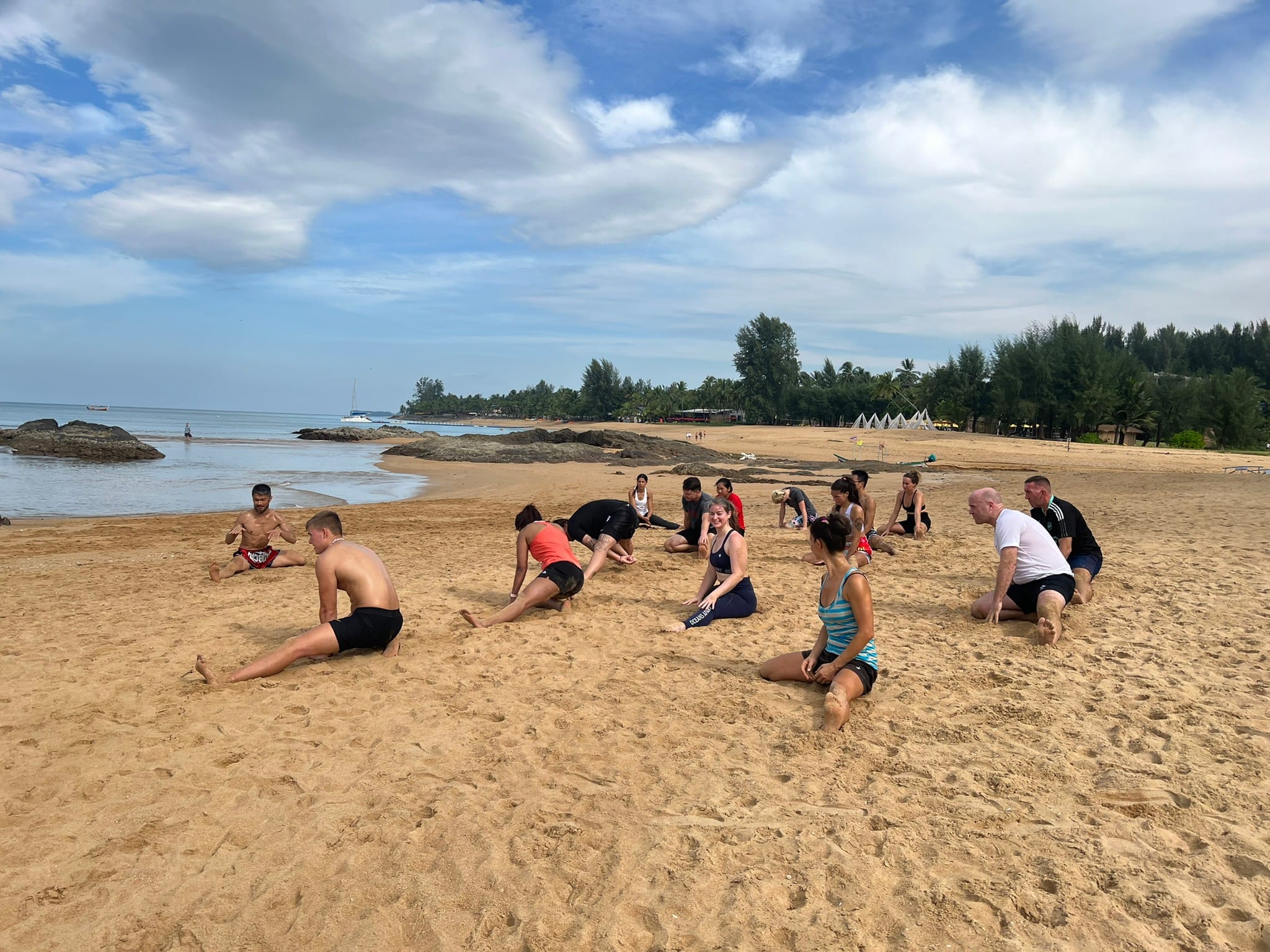
Here's the thing about Phuket that the glossy videos undersell: it's genuinely a bit much sometimes. The traffic on the way to some gyms is grim, Patong at night is not everyone's scene, and you pay a premium for the postcard. But the flip side is real too — there's something absurdly good about finishing a brutal afternoon session, shins aching, reeking of Tiger Balm, and being in the sea twenty minutes later. That combination is hard to beat, and it's why people go back.
Chiang Mai's pull is quieter and it sneaks up on you. The first few days you might miss the beach. By the end of week two you've stopped thinking about it, because your life has narrowed to the good stuff: 6am you're awake before the alarm because your body has adjusted, morning run when it's actually cool, a plate of khao soi that costs less than a coffee back home, an afternoon of pad rounds, an early night. It's monastic in a way that makes you fitter faster, because you're not burning the candle at both ends. The one honest warning is the burning-season air — that's not marketing spin, it's a genuine consideration for spring trips.
Neither is a mistake. The "wrong" choice is picking a region that fights your temperament — sending a party-loving extrovert to monastic Chiang Mai, or a quiet introvert who wants to train and reset into the middle of Patong. Match the place to the person, not to the Instagram.
A quick way to decide
- You want beach, nightlife and a big-camp experience → Phuket (and if you want the island without the chaos, look at the Kamala side).
- You want to spend less, train hard and keep your head clear → Chiang Mai.
- It's your first-ever Muay Thai trip → Phuket usually, unless you specifically want to avoid temptation, in which case Chiang Mai.
- You're coming November–February → both are great; Chiang Mai's weather is genuinely lovely then.
- You're coming late February–April → lean Phuket to dodge the northern haze.
- Budget is the only thing that matters → Chiang Mai, comfortably.
What about Bangkok, Krabi, or somewhere else?
People ask, so — briefly. Bangkok has legendary gyms but it's a huge, hot city and not many people want to base a training holiday there. Krabi is beautiful but the camp scene is thinner. For a first proper training trip, Phuket and Chiang Mai are the two that consistently deliver, which is why they dominate this conversation and why the comparison is nearly always between these two.
Still torn? Let the details decide
If you've read all that and still can't split them, stop trying to decide in the abstract. Plug your dates, budget, level and the vibe you're after into the trip builder — it'll match you to actual vetted camps in both regions with live pricing, so you're choosing between real options instead of a hunch. Nine times out of ten, seeing your two or three best-fit camps side by side makes the answer obvious in about thirty seconds. Then you can stop reading comparison guides and go book the flight.