Is 2 Weeks Enough for Muay Thai in Thailand? (Honest Answer)
Two weeks won't make you a fighter, but it's more than enough to fall for Muay Thai, get properly fit, and drill the fundamentals hard. Here's what that fortnight really gives you, how to squeeze the most from it, and when a month makes more sense.
On this page
Short version: yes, two weeks is enough — for the right things. It's plenty of time to properly learn the basics, get into the best shape you've been in for years, and figure out whether you actually love this sport or just liked the idea of it. What it won't do is turn you into a fighter, fix your timing, or make your kicks look anything like the guy who's been training since he was eight. And that's completely fine. Most people who go for two weeks come home buzzing, not disappointed.
So if you've got a fortnight and you're wondering whether it's worth flying halfway across the world for it — it is. You just need to go in with the right expectations and squeeze the days for everything they're worth.
What two weeks actually gets you
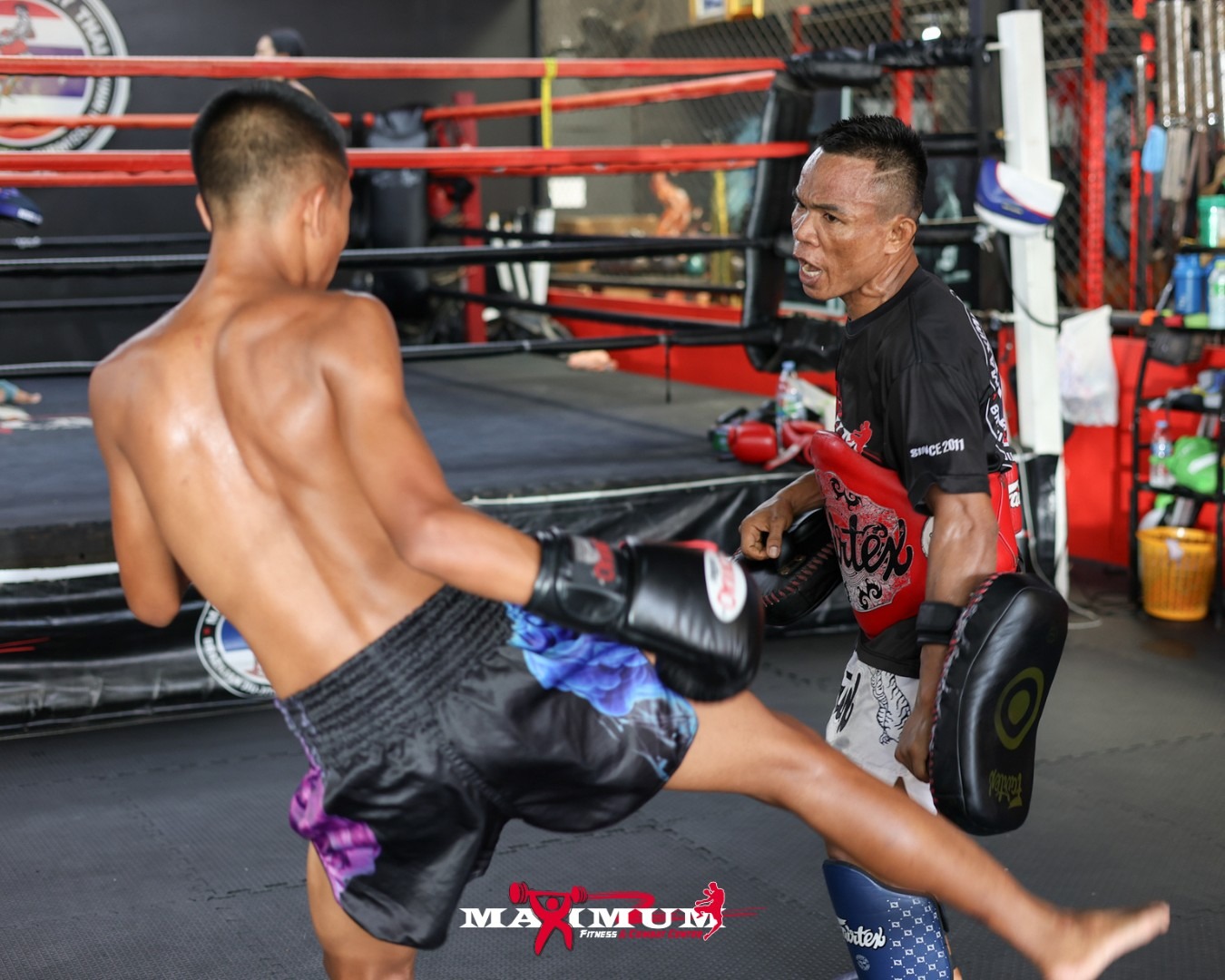
Here's the thing nobody tells you before your first trip: Muay Thai in Thailand isn't a hobby you dabble in for an hour. At a proper camp you're training twice a day, six days a week. Morning session, break in the heat, afternoon session. Fourteen days of that is somewhere north of 20 training sessions. That's more mat time than most people back home rack up in three or four months of after-work classes.
So the compounding is real. In two weeks you can genuinely expect to:
- Nail the fundamentals. Proper stance, the teep (push kick), the roundhouse, basic punches, the check, moving on the balls of your feet instead of flat-footed. By the end of week two these stop feeling foreign and start feeling like yours.
- Get seriously fit. Skipping rope until your calves scream, pad rounds, bag work, the runs some camps still do at dawn. Your cardio will change. People come back visibly leaner and moving better — though I'd steer well clear of anyone promising you a specific number on the scale.
- Drill until it sticks. Repetition is the whole game here. Trainers hold pads and correct the same mistake a hundred times until your body stops needing your brain. Two weeks of that leaves a real dent in your muscle memory.
- Get a taste of clinch and light sparring. Most camps ease beginners into controlled clinch work and gentle technical sparring by the second week. Not war. Just enough to feel what pressure does to your beautiful, tidy technique.
What you won't get is mastery, and it's worth saying that plainly. Timing, distance, reading an opponent, making it all flow under pressure — that's years, not weeks. Anyone selling you "fighter in 14 days" is selling you something. Two weeks is the on-ramp, not the destination.
Is a fortnight better than a taster? Absolutely
You could do a few sessions on a beach holiday and call it Muay Thai. Loads of people do. But there's a real difference between poking at the sport and actually letting it get under your skin.
Around days four and five something happens. Your shins ache, your hips are tight, you're moving like a rusty gate, and you seriously question your life choices. That's the wall. Push through it — and two weeks gives you the runway to push through it — and everything on the other side is where the good stuff lives. Suddenly the kick that felt impossible starts landing clean. The trainer nods instead of sighing. You get it.
A three-day taster almost never reaches that point. You quit right when it stops hurting and starts clicking. Two weeks is arguably the sweet spot for a first trip: long enough to break through the adaptation phase, short enough that you don't need to quit your job or empty your savings.
Our honest take, from the ground
I'll be straight with you. The first time I trained in Thailand, I badly overestimated myself. I thought I was reasonably fit. Two morning sessions in, I was lying on the concrete next to the ring watching a 60-year-old man skip rope like it was nothing, wondering what I'd done to deserve this. The heat is a factor people don't respect enough — you're not just training, you're training in humidity that makes the air feel like soup.
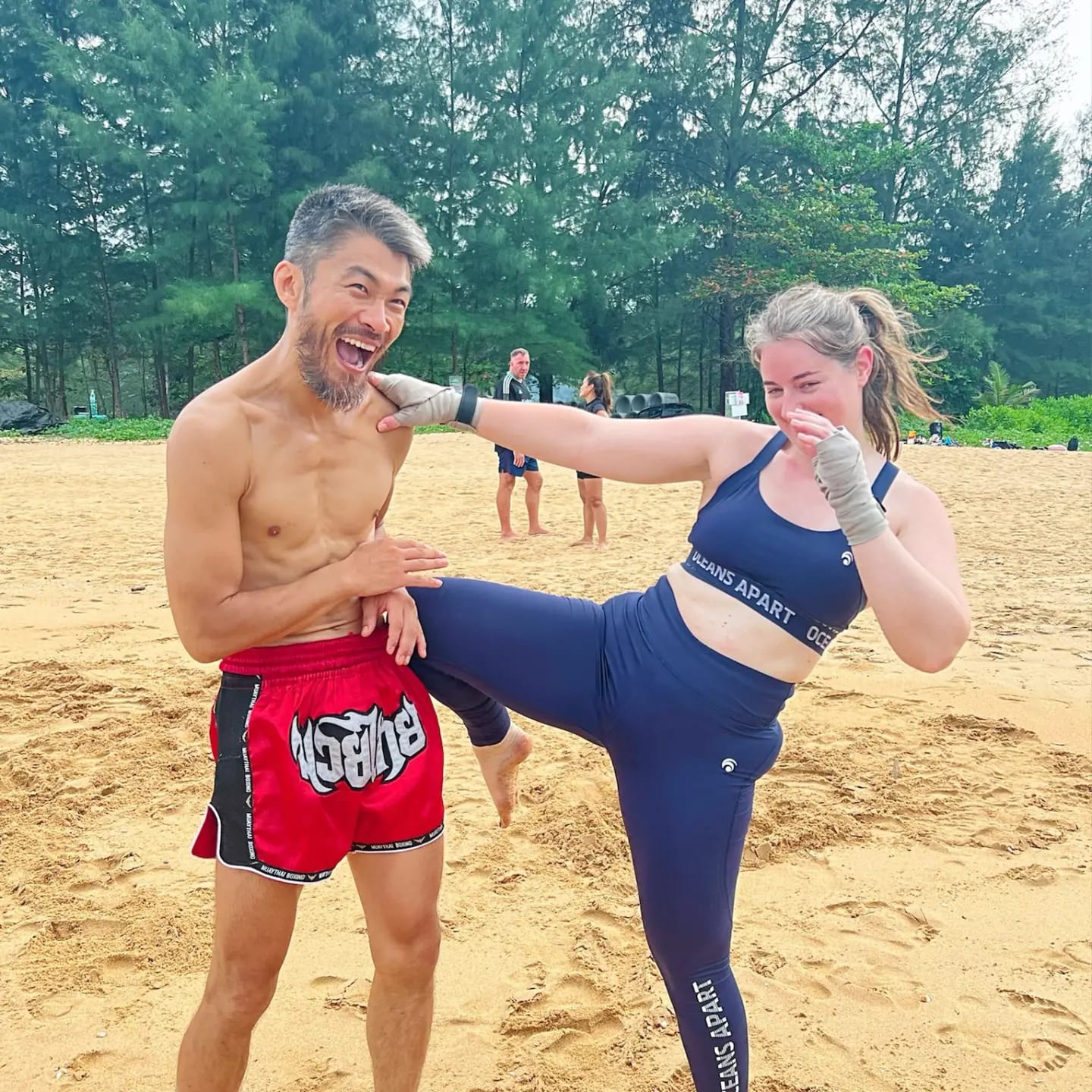
My honest opinion after seeing a lot of people go through their first two weeks: the ones who have the best time are the ones who drop the ego at the door. Go to learn, not to prove. Let the trainers correct you. Do the boring drills properly instead of trying to throw flashy stuff you saw on YouTube. The people who treat week one as humbling rather than embarrassing are the ones grinning on the flight home.
The other honest thing? Two weeks is enough to fall for it, and that's the trap — in the good way. A huge number of people go for two weeks and immediately start plotting how to come back for a month, or three. That's not marketing. That's just what the sport does to people. So go in knowing two weeks might not scratch the itch so much as start it.
And a bit of tough love on rest days. Don't skip them, and don't spend the one day off getting hammered at a bar and then wonder why session one of week two feels like being hit by a truck. Your shins and your recovery will thank you.
How to get the absolute most from 14 days
Two weeks is short. Waste days and you've wasted a real chunk of it. A few things genuinely move the needle:
Show up already able to skip and jog a bit. You don't need to be fit, but if you can arrive able to skip rope for a few minutes and run twenty minutes without dying, you'll spend your Thailand time learning technique instead of just surviving conditioning. Do a couple of weeks of prep at home. It pays off enormously.
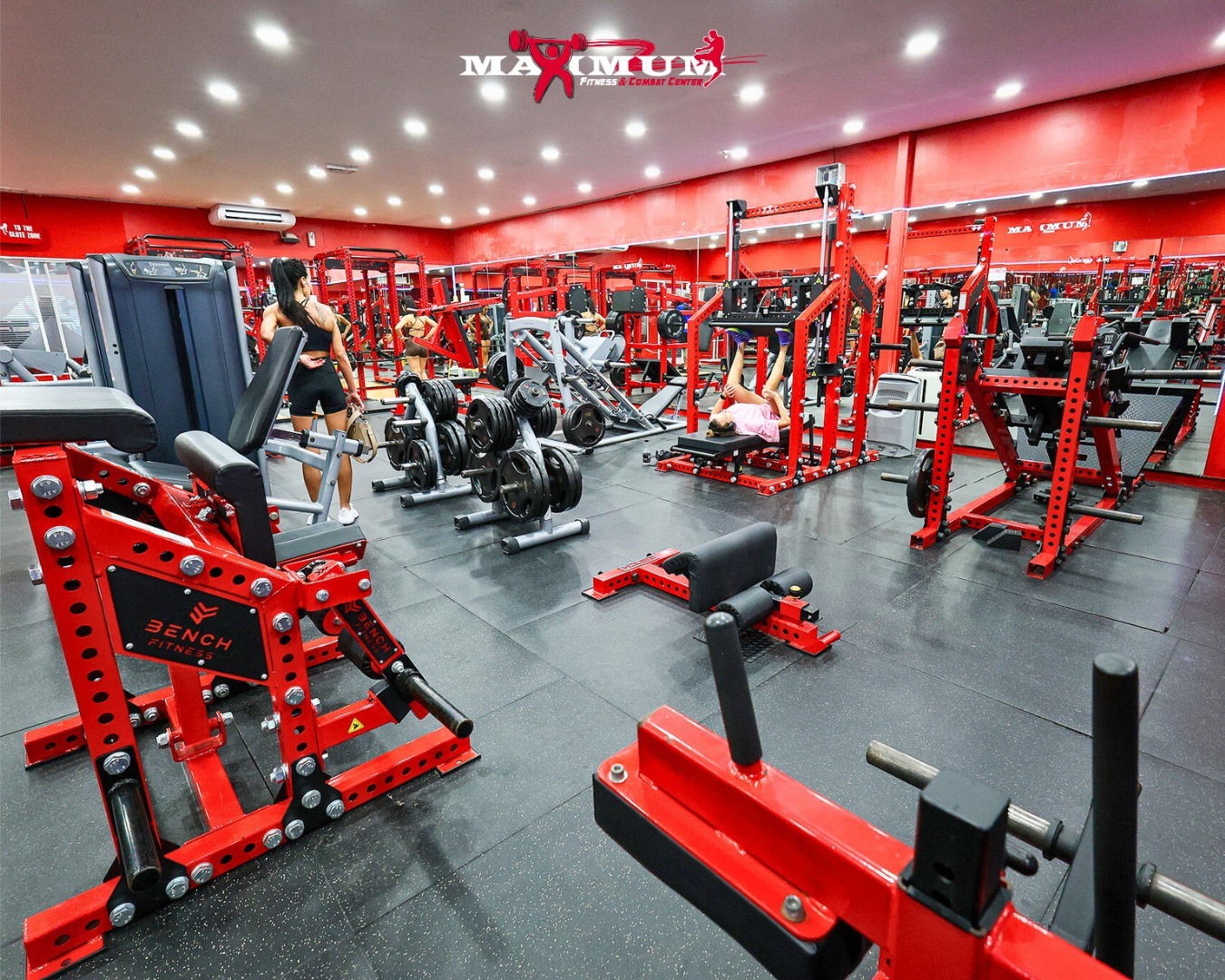
Pick your base carefully. Phuket suits first-timers — lots of camps geared to visitors, everything set up around training tourism, good balance of serious and welcoming. Chiang Mai is calmer, cooler, cheaper, more of a "here to train and not much else" energy. Honestly, Patong isn't for everyone; it's lively to the point of chaotic, brilliant if you want gym-by-day and life-by-night, less ideal if you came for monk-like focus. If it's your first trip and you want a gentler landing, one of the quieter Phuket or Chiang Mai camps is the safer bet. New to all of this? Our beginner's guide to Muay Thai in Thailand walks through the whole first-timer decision.
Don't over-train and blow up. The classic two-week mistake is going 100% every session, wrecking your shins by day five, and limping through the back half. Twice a day is a lot. Listen to your body, take the private-coaching option if you want faster correction, and use that rest day for what it's for.
Ask for privates early, not late. A one-on-one session or two in your first few days accelerates everything — a trainer watching only you will fix bad habits before they cement. Leave it to the last day and you've missed the point.
Eat and sleep like you mean it. You'll burn through calories. Thai food does the job cheaply. Sleep is where the fitness gains actually happen. The whole thing works better if you're not running on four hours and pad Thai crisps.
Two weeks vs one month: which should you book?
This is the question that actually matters, so let's be real about it.
Two weeks is right for you if: it's your first trip and you're testing the water, you're squeezing it into limited annual leave, budget's tight, or you mostly want a fitness-and-fundamentals kick with a proper adventure attached. You'll come home fitter, hooked, and with real basics. Perfect starter dose.
One month is where things change gears. That's when technique stops being "drilled" and starts being "owned." Your body fully adapts, the sessions stop destroying you, sparring gets genuinely useful, and the whole thing shifts from crash course to something closer to how the locals actually train. If you already know you love Muay Thai, or you want visible skill progression rather than just a great experience, a month is the better spend per day. We break down exactly what changes over 30 days in our 1-month Muay Thai camp guide — worth reading even if you end up booking two weeks, just so you know what you're leaving on the table.
There's also a visa angle worth a mention. Two weeks fits comfortably inside Thailand's standard visa-exempt entry (currently 30 days for many nationalities on arrival — always check the current rules for your passport before you fly). For longer training stints, the DTV (Destination Thailand Visa) exists specifically for things like extended Muay Thai training. If you think two weeks might become two months, read up before you go — our DTV visa guide covers the basics, and you should always confirm the details with official Thai government sources rather than a blog.
What about the cost?
Two weeks keeps things affordable, which is a big part of the appeal. Training fees, a room, and food in Thailand cost a fraction of a fortnight's gym membership plus rent back home — that's genuinely part of why people do this. Prices swing with the camp, the season, the location, and whether your package includes accommodation, so I won't quote you a figure that'll be wrong by the time you read it. For a proper current breakdown, see our Muay Thai training cost guide, and always check the live listing for the camp you're eyeing — that's the only price that's actually real.
So, is two weeks enough?
Enough to learn to move, get fit, drill the fundamentals into your bones, and find out if this is your thing? Yes, easily. Enough to master Muay Thai? No — and nothing short of years is. But "enough" depends entirely on what you're after, and for a first trip, a fitness reset, or a proper taste of the real thing, two weeks is a genuinely great call.
Go with your eyes open, drop the ego, train hard but don't blow yourself up, and there's a very good chance you'll be booking the next trip before this one's even over.
If you're ready to actually pin down where to go, our trip builder matches you to vetted camps based on your dates, your level, and how hard you want to push — beginner-friendly or full send. Two weeks is plenty of time. Might as well spend it at the right place.