How to Plan a Muay Thai Training Trip in Thailand (Step-by-Step Guide)
A real, no-nonsense step-by-step for planning a Muay Thai training trip to Thailand — from nailing your goal to picking a destination, choosing training-only vs stay-included, sorting the visa, and packing right. Plus the honest mistakes most first-timers make.

On this page
- Step 1: Be honest about your goal and your level
- Step 2: Pick where you'll train
- Step 3: Decide how long you're going for
- Step 4: Training-only, or stay-included?
- Step 5: Sort your visa (don't leave this last)
- Step 6: Book with confidence, then pack right
- Our honest take, from people who've trained in Thailand
- Putting it together
Here's the short version: to plan a Muay Thai trip to Thailand, work through six things in order — your goal and level, where you'll train, how long you're staying, whether you want training-only or a stay-included package, your visa, and then the actual booking. Get those right and the rest is packing shorts and showing up. Most people do it backwards, obsess over which gym has the most famous fighters, and forget to ask whether they can actually survive twice-a-day training in 34-degree heat. You can sort the whole thing in an afternoon if you go in the right order.
I'll walk you through that order, tell you where people go wrong, and be honest about the bits nobody puts in the glossy camp brochures.
Step 1: Be honest about your goal and your level
Before you look at a single gym, answer one question: why are you actually going? The plan changes completely depending on the answer.
If you want a fitness holiday with a bit of pad work, a Muay Thai lesson every morning and a beach every afternoon — great, that's a real and valid reason, and it points you toward a relaxed, well-run camp with good beginner classes. If you want to genuinely get better, spar properly, and come home a different fighter, that's a different trip with more clinch work, harder afternoon sessions and probably fewer piña coladas. And if you're a competitive fighter looking to take a fight while you're there, that's a third thing entirely and you should be talking to camps that actually match you against opponents.
Be brutally honest about your fitness too. If your current cardio is a spin class on Tuesdays, two-a-day training in tropical heat will wreck you in about four days. That's fine — you just need to plan lighter first weeks and not book the hardcore fighter camp for your debut trip. Nobody's impressed by the guy who trained flat-out for three days and then spent the rest of the fortnight icing a rolled ankle.
If you're brand new, read our complete beginner's guide to training Muay Thai in Thailand before you go further. It covers what a first day actually looks like, the etiquette that'll save you embarrassment, and how much conditioning you really need beforehand (spoiler: less than you fear, more than none).
Step 2: Pick where you'll train
Location matters more than most people realise, because you're not just picking a gym — you're picking the town you'll wake up in every day for weeks. Thailand's Muay Thai scene clusters in a few areas, and they feel completely different.
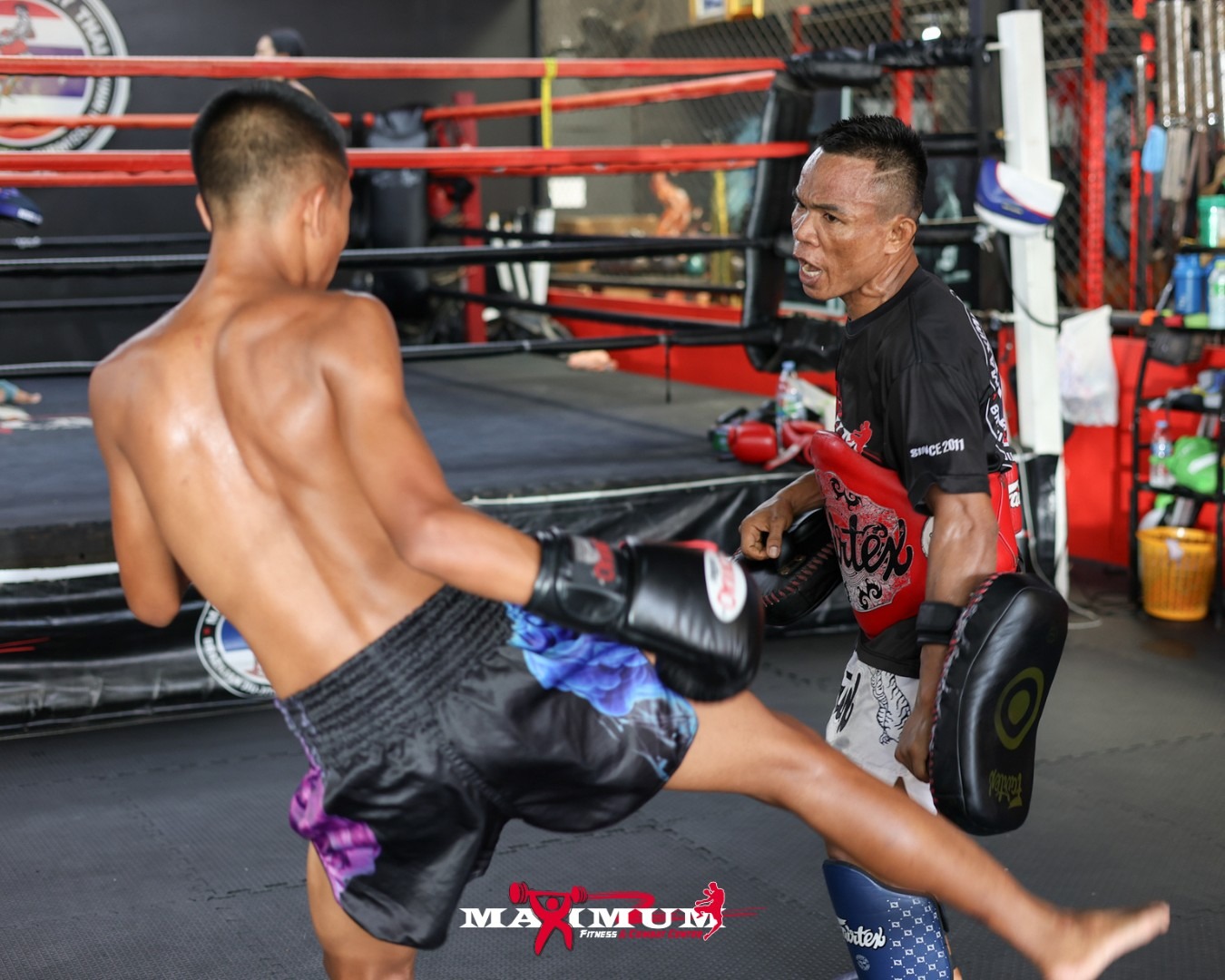
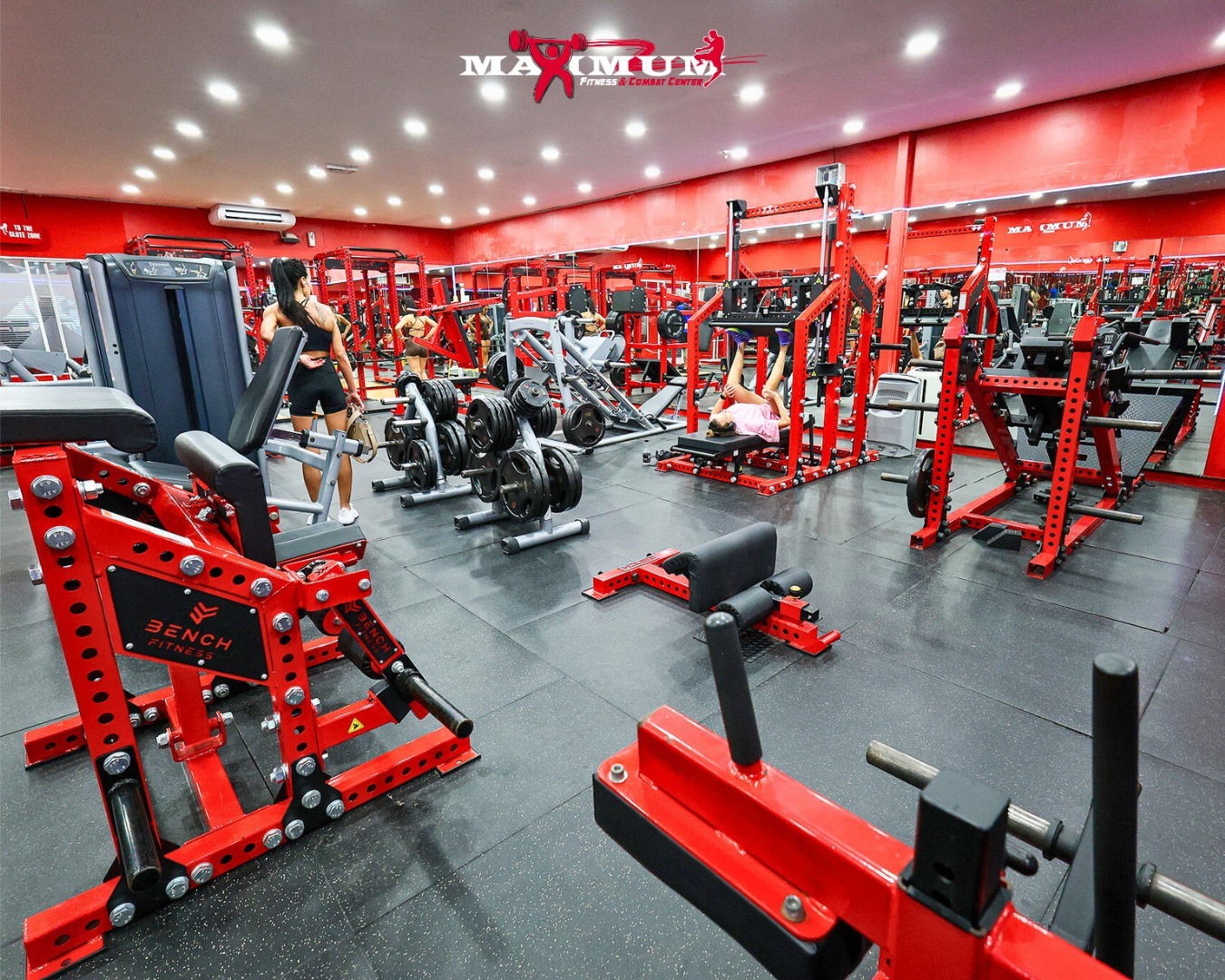
Phuket is where most first-timers land, and for good reason. It has the biggest concentration of international-facing camps, English-speaking trainers who are used to foreigners, cafes and physios and everything else you'll want on a rest day. Within Phuket, Patong is loud, late and lively — brilliant if you want nightlife after training, less brilliant if you want early nights and clean living. That's why our partner camps there, like Maximum Fitness & Combat Center and RC Rachai in Patong, sit alongside quieter options like Kamala Muay Thai up the coast in Kamala, which is calmer and more family-feeling. Honestly? Patong isn't for everyone. If you know you'll struggle to say no to a 2am Chang, pick somewhere quieter.
Chiang Mai in the north is a different vibe altogether — cooler, greener, cheaper, more laid-back, with a strong slow-travel and digital-nomad crowd. If you want to train hard but live cheaply for a couple of months and soak up old-city temple culture, it's lovely. Our partner there, Chiang Mai Muay Thai Gym in the Old City, sits right in that world.
Phang Nga, just north of Phuket, is quieter still — think Khao Lak, beaches without the crowds, a slower rhythm. Khao Lak Muay Thai is our partner there and suits people who want the training without the party pull.
You'll hear Bangkok and Krabi mentioned a lot too. Both have legitimate scenes, and Bangkok in particular is where a lot of the real professional stadium action happens. We don't have a vetted partner camp in either yet, so I won't pretend to place you there — but if that's genuinely where your heart is set, tell the trip builder and it'll be honest with you about what we can and can't match.
Step 3: Decide how long you're going for
Duration is where budgets and reality collide. A rough framework:
One to two weeks is a taster. You'll learn the basics, sweat buckets, fall in love with it, and leave wishing you'd booked longer. Everyone says this. Almost nobody regrets a short first trip, but almost everybody wishes they'd made it a month.
Three to four weeks is the sweet spot for most people. It's long enough for your shins to toughen up past the "everything hurts" phase, for the technique to start sticking, and for you to actually see progress — and short enough that most jobs and budgets can handle it.
Two to three months or more is fighter territory, or serious slow-travel. This is also where the visa question gets real, which we'll get to.
One honest planning tip: your body needs recovery days you won't want to take. Twice-a-day training every single day is a rookie fantasy — even the pros rest. Build in rest days from the start rather than pretending you're superhuman and then getting injured in week two.
Cost scales with duration in ways that aren't always linear (longer stays often get better package rates), so if budget is the deciding factor, our breakdown of what Muay Thai training in Thailand actually costs walks through training fees, accommodation and daily living with dated, indicative 2026 ranges — not made-up numbers.
Step 4: Training-only, or stay-included?
This is the fork that trips people up. Broadly, Muay Thai camps offer two models, and on Elite Fight Fitness you'll see them as tiered packages.
Training-only (our Bronze tier) gets you the classes and the gym — you sort your own accommodation, whether that's a cheap guesthouse, an Airbnb, or a hotel. This is the flexible, often-cheapest option, and it's great if you're the type who likes to arrange your own place, wants to stay somewhere specific, or is travelling for a while and doesn't want to be tied to on-site rooms.
Stay-included (our Silver and Gold tiers) bundles accommodation with your training, usually on-site or very close by. Roll out of bed, cross a courtyard, train. No commute in the heat, no logistics, no wandering the neighbourhood at 6am looking for coffee before the first session. For first-timers especially, I lean toward stay-included — the convenience genuinely matters when you're exhausted and your legs don't work, and it drops you straight into the community of other people training there, which is half the fun.
The trade-off is flexibility and sometimes price. If you value doing your own thing and controlling costs, training-only wins. If you value zero-hassle and being embedded in the camp, stay-included wins. There's no universally right answer — just the right answer for you, which is exactly the kind of thing our trip builder is designed to sort out by asking a few questions rather than making you read twenty camp pages.
Step 5: Sort your visa (don't leave this last)
Visas are the least fun part and the part people leave dangerously late. Here's the honest, general version — always check official Thai government sources for your specific nationality and current rules, because they change.
For a short trip, many nationalities can enter Thailand visa-exempt for up to 30 days without arranging anything in advance. If your trip is two or three weeks, that often covers you with room to spare. Simple.
For longer stays built specifically around Muay Thai, the Destination Thailand Visa (DTV) is the one that changed the game. It's designed for long-stay visitors including people coming to train Muay Thai, and it allows much longer periods in the country than a standard tourist entry. If you're planning a month-plus, or you fancy coming and going over a longer window, it's worth understanding properly before you book flights.
I'm deliberately not quoting fees or promising you'll qualify — eligibility depends on your circumstances and the rules shift. What I'd say is: figure out roughly which route applies to your trip length before you commit to dates, because the visa can dictate your timeline as much as your annual leave does. Our dedicated guide on the DTV visa for Muay Thai in Thailand explains the concept and points you to official sources; use it as your starting map, not your legal advice.
Step 6: Book with confidence, then pack right
Once you know your goal, place, duration, package type and visa route, booking should be the easy bit — and on our platform it genuinely is. You book the camp directly, pay securely by card, see prices in your own currency, and you're done. No emailing five gyms and waiting days for someone to reply from a different time zone. If you're not sure which camp fits, run the trip builder first and let it narrow the field to a shortlist that actually matches what you told it.
A quick word on booking mistakes: don't over-commit on your first trip. Book a length you're confident you'll enjoy rather than the maximum your budget allows. It's far better to leave wanting more than to be counting down the days in week three.
Now, packing. Bring less than you think, but bring the right less. Your camp will have gloves you can borrow, but your own gloves and a good mouthguard are worth their weight. Hand wraps — pack more pairs than you'd guess, because they don't dry fast in humidity and there's nothing worse than damp wraps at 7am. Quick-dry clothing over cotton, every time. Flip-flops for the walk to the ring. And build a tiny first-aid kit: blister plasters, antiseptic, and something for the inevitable shin bruises. A tub of Tiger Balm, which you'll be able to smell on every third person in the gym anyway. Sunscreen you'll actually reapply. That's most of it.
Our honest take, from people who've trained in Thailand
I'll be straight with you about the stuff the brochures skip.
The romance of training in Thailand is real — but so is the reality that the first week hurts. Genuinely hurts. Your shins ache for days after your first real pad rounds, your hips complain about the teeps, and the heat does something to your cardio that no amount of home gym work prepares you for. That's not a warning to put you off; it's a warning to plan for it. Go easier than your ego wants in week one and you'll be training well by week two instead of nursing an injury.
The single biggest mistake I see people make is choosing a camp based on which famous fighter's name is on the wall. Champions make great fighters, not necessarily great teachers of nervous beginners. What actually matters for most travellers is whether the trainers are patient with foreigners, whether the beginner sessions are properly structured, and whether the place has the right energy for how you like to live. A slightly-less-legendary gym with warm, attentive trainers will do more for your Muay Thai than a superstar camp where you're one anonymous body in a crowd of forty.
Second thing: don't chase the hardest camp to prove something. The 6am runs, the roosters that wake you before your alarm, the afternoon clinch rounds that leave you soaked — that intensity is available everywhere and it's brilliant, but you can dial it up as you go. You cannot un-injure a torn calf you got showing off on day two.
And genuinely, the community is the part that hooks people. You come for the training and you stay for the other travellers you're suffering alongside, the trainers who start remembering your name, the post-session smoothie ritual. Pick a place and a town where you'll want to spend your rest days, not just your training days. That's the difference between a good trip and one you'll be planning to repeat before you've even flown home.
Putting it together
Plan in this order — goal, place, duration, package type, visa, booking — and you'll skip almost every mistake first-timers make. Don't over-plan the parts that don't matter (the exact daily schedule) and don't under-plan the parts that do (the visa, and being honest about your fitness).
When you're ready to turn all that into an actual shortlist of vetted camps that fit your answers, our trip builder asks a handful of questions and matches you to real partner camps — no directory to trawl, no guesswork. Give it your goal and your dates and let it do the narrowing.
Prices, packages and visa rules vary by camp, season and nationality. Always check the current listing and official Thai government sources for live details.