Tiger Muay Thai Review 2026: Who It Suits, Who It Doesn't
Tiger Muay Thai is the biggest, most famous camp in Phuket — but big and famous isn't the same as right for you. Here's an honest take on who it suits, who it doesn't, and where you might train instead.
On this page
Short answer: yes, Tiger Muay Thai is worth it — for the right person. It's the biggest, best-known training camp in Phuket, sitting up in Chalong, and it runs like a machine. Loads of trainers, sessions for every level, a proper gym and conditioning setup, and a social scene that basically runs itself. But "the most famous camp" and "the best camp for you" aren't the same sentence. If it's your first time training in Thailand and you want quiet, cheap, and personal, a place this size can swallow you whole. So it depends. Let me walk you through it honestly.
Just so we're straight from the top: Tiger is not one of our partner camps. We don't book it, we don't earn a penny from it, and nobody's paying us to talk it up. That's kind of the point of this page — a review you can actually trust, not a sales pitch dressed up as one.
What Tiger Muay Thai actually is
If you've spent five minutes googling "Muay Thai Thailand," you've seen Tiger. It's the name that shows up on every YouTube vlog, every Reddit thread, every "I quit my job to train Muay Thai" Instagram reel. It grew from a smallish gym into one of the largest MMA and Muay Thai training facilities in Asia. We're talking a big campus in Chalong, southern Phuket, with Muay Thai, MMA, BJJ, boxing, a serious strength-and-conditioning area, and its own food and accommodation ecosystem built up around it over the years.
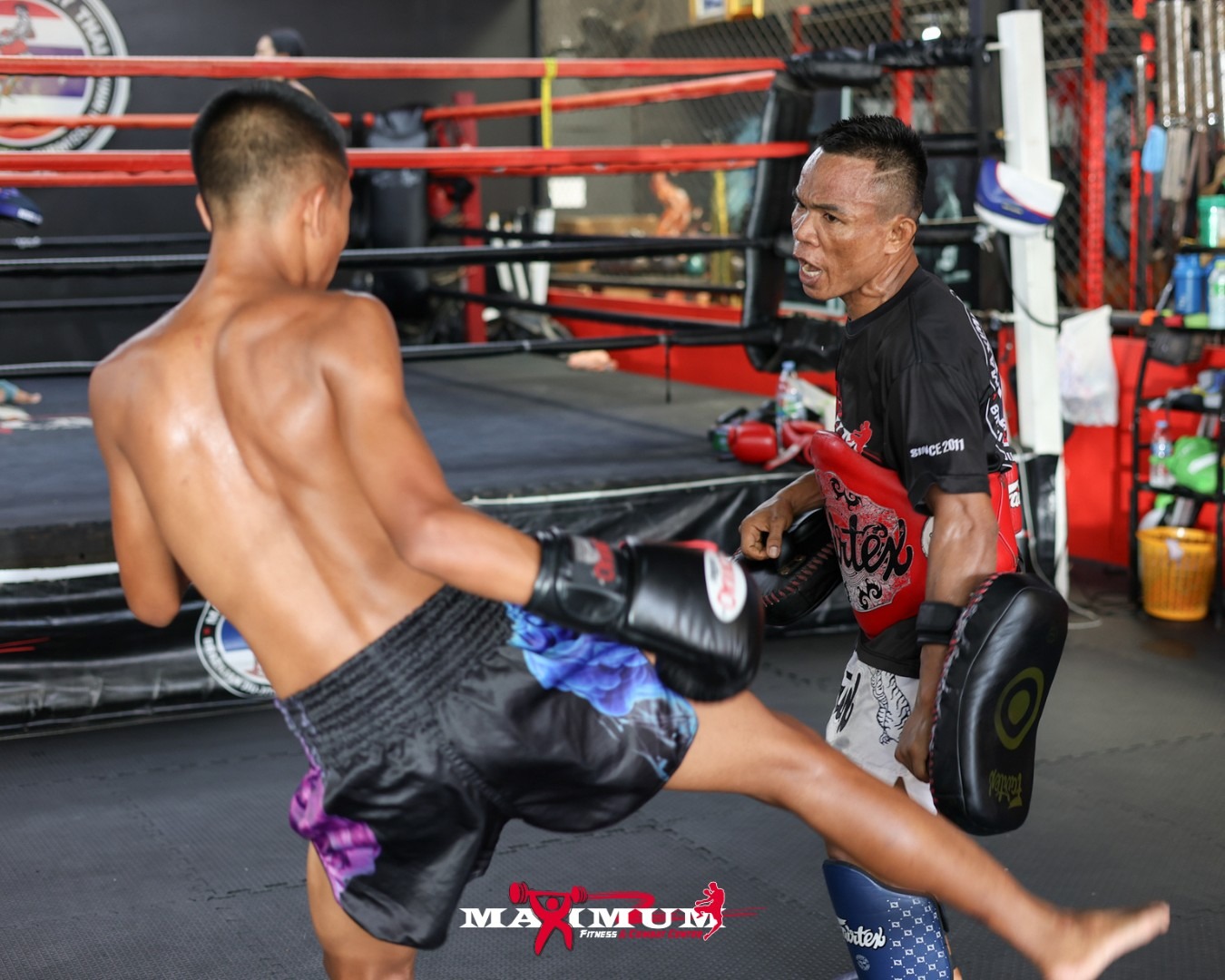
The scale is the whole story. On a busy morning there can be dozens of people on the bags and pads at once, split across beginner, intermediate and advanced groups, with a wall of trainers holding pads. That's genuinely useful — you're rarely standing around waiting, and there's almost always a session running that fits wherever you're at.
It also draws real fighters. People come through to camp before fights, some stick around for months, and the standard on the advanced side is high. For a certain kind of visitor, training in the same room as people who actually compete is a huge draw.
What it's genuinely good at
The professionalism. This is the thing Tiger nails that smaller gyms sometimes fumble. Sign-up is smooth, sessions run on time, there's a clear structure to the timetable, and the whole operation is used to dealing with foreigners who've never wrapped their hands before. If you value that things just work — you turn up, you pay, you train — Tiger delivers.
Range is the other big one. Because it's so large, you can be a total beginner who's never thrown a kick, or a fighter tuning up for a bout, and both of you are catered for under the same roof. Beginner classes are actually beginner classes here, not "get thrown to the wolves and hope." That matters more than people realise.
Then there's the social side, which for a lot of solo travellers is the real reason to go. You will meet people. Loads of them. Training partners, running buddies, folks to grab dinner with after the afternoon session. If you're flying to Thailand alone and the thing quietly scaring you is eating every meal by yourself, a big camp like Tiger solves that on day one. That energy — a couple hundred people all sweating through the same 6am start — is infectious in a good way.
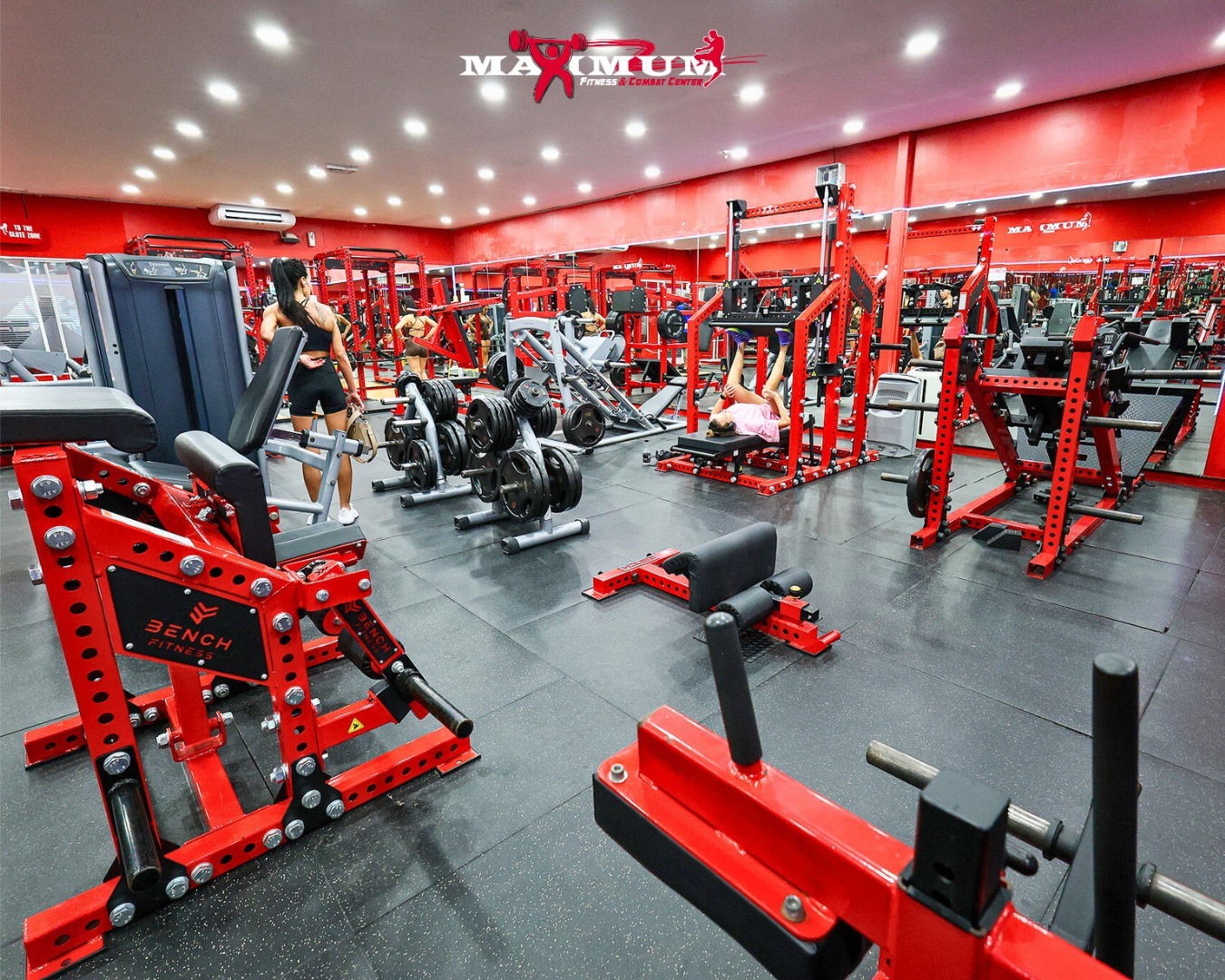
And the facilities. Proper conditioning kit, recovery options nearby, plenty of rings and bags, physios and clinics in the area used to fight injuries. You're not making do.
Where it falls short
Here's the flip side, and I'm not going to soft-pedal it.
Big means less personal. With that many students cycling through, you're not necessarily getting a trainer who knows your name, your habits and your bad left hook by week two. Some people find their trainer and it's brilliant; others feel a bit like a number on the bags. Smaller camps, by their nature, give you more eyes on your technique and more genuine correction. That's just physics.
It gets busy, and it can feel touristy. Chalong around Tiger has grown into a scene — cafes, supplement shops, tattoo parlours, more foreigners than you might have pictured when you imagined "training Muay Thai in Thailand." If your mental image was a quiet gym, roosters, and rice fields, this isn't quite that. Some love the buzz. Some find it a lot.
Cost tends to run higher. Being the flagship name in Phuket, Tiger sits at the pricier end for training, food and accommodation compared with smaller local camps. I'm not going to quote you numbers — prices shift by season and package and change over time, so anything I put here would be out of date fast. But as a rule, you pay a premium for the brand and the scale. Smaller vetted camps can get you very similar training for less.
And the location. Chalong is fine, but it's not on a beach, and it's a drive to the nicer coastlines. If part of your dream was rolling out of an afternoon session and being in the sea ten minutes later, factor that in.
Our honest take, from the ground
Here's how I actually feel about it, first person, no marketing gloss.
Tiger is impressive. Genuinely. The first time you walk into a camp that size and see that many people going hard, it's a jolt — in a good way. The energy carries you through sessions you'd have quit at a quieter gym. And the range is real: I've watched a nervous first-timer who'd never thrown a kick and a lean, quiet fighter prepping for a bout train the same morning, both looked after. Not many places pull that off.
But — and this is the honest bit — if a mate messaged me tomorrow, first trip, a bit nervous, wanting two weeks in Thailand to see if they even like Muay Thai, I would probably not send them to Tiger first. Not because it's bad. Because it's big. When you're brand new, a huge camp can feel intimidating, a little anonymous, and you can hide at the back of a class for two weeks and leave without a single trainer really having fixed your form. At a smaller camp you can't hide, and that's the point — someone actually watches you kick, groans, and makes you do it properly. That's where beginners improve fastest.
The other honest thing: your experience at a place this size lives and dies on which trainer you click with. Find the right one and you'll rave about Tiger forever. Get shuffled around and you might leave thinking it was fine but nothing special. That variance is baked into the scale, and no review — including this one — can promise you'll land on the good side of it.
So my real position: Tiger is a great camp, not automatically the great camp for you. Match it to who you are, not to how famous it is.
Who Tiger Muay Thai actually suits
Go to Tiger if you're an intermediate or advanced trainer who wants volume, high standards, sparring partners at your level, and the option of pushing toward a fight. Go if you're a confident solo traveller who wants a ready-made social scene and doesn't mind a busier, more touristy setting. Go if you specifically want to cross-train MMA, BJJ and Muay Thai in one place — few camps offer that breadth. And go if a slick, professional, no-friction operation is worth paying a bit more for. That's a real preference and there's no shame in it.
Who should probably look elsewhere
Think twice if it's your very first time and you're nervous — you might get more out of a smaller, calmer camp where the coaching is personal and you can't blend into the crowd. Think twice if you're on a tighter budget, because the brand carries a premium and you can train seriously for less. Think twice if the whole appeal for you is peace and quiet, mornings that smell of Tiger Balm and cut grass rather than a packed car park, and a trainer who treats you like a regular by day three. And if you'd rather be near a proper beach than up in Chalong, that alone might tip it.
None of that makes Tiger wrong. It just means "biggest and most famous" isn't the metric you're actually optimising for.
The calmer, cheaper alternatives on Phuket
This is where I'll be straight about what we do. Elite Fight Fitness vets and books a small set of Phuket camps we'd actually send a friend to — and several of them are the exact antidote to "too big, too pricey, too touristy."
In Patong there's Maximum Fitness & Combat Center and RC Rachai — both give you that lively, easy-to-meet-people feel without the sheer overwhelming scale, and Patong's got the beach and nightlife right there if you want it. Up in Kamala, Kamala Muay Thai is more relaxed and local, the kind of place where the trainers clock who you are fast and your technique actually gets fixed. Prefer to be off the tourist trail entirely? Chiang Mai Muay Thai Gym in the Old City up north is a different, mellower world, and Khao Lak Muay Thai over in Phang Nga is properly quiet and coastal.
For a fuller side-by-side of the island's options, our best Muay Thai gyms in Phuket rundown is the place to start, and if you're specifically weighing the big-camp scene against a mellower alternative, Tiger versus the Bang Tao area breaks that exact trade-off down. New to training in Phuket altogether? The Phuket training guide covers how it all works before you book anything.
A quick word on staying long-term
If a review has you thinking about more than a two-week holiday — coming out for a few months to really train — you'll want the visa side sorted. Thailand lets most nationalities in visa-exempt for a short stay, but for longer Muay Thai trips the Destination Thailand Visa (DTV) is the one people talk about now. Rules and eligibility change, so check official sources and our own visa notes before you commit; don't take a number off a forum as gospel.
So — is Tiger Muay Thai worth it?
Yes, if you're the person it's built for: experienced-ish, social, happy in a busy setting, and fine paying for the flagship name. For a nervous first-timer on a budget who wants quiet and personal coaching, it's often the wrong first move — not because it's bad, but because a smaller camp will look after you better and cost you less. Famous doesn't mean best-fit. It just means famous.
If you're genuinely not sure which camp matches the trip you've got in your head — beginner or fighter, buzzy or quiet, beach or mountains, tight budget or splurge — that's exactly what our trip builder is for. Tell it what you're after and it'll match you to a vetted camp that actually fits, instead of just sending you to the biggest name because it's the loudest. Have a play with it before you book anything.