Best Muay Thai Camps in Chiang Mai (2026 Guide)
Chiang Mai is cooler, cheaper and calmer than the islands — a brilliant base for a long Muay Thai stay. Here's where to train, who it suits, and the one season to avoid.
On this page
Short version: Chiang Mai is one of the best places in Thailand to train Muay Thai if you want a longer, calmer stay rather than a two-week beach blitz. It's cooler than the islands for much of the year, noticeably cheaper to live in, and it's crawling with digital nomads who train mornings and work afternoons. The trade-off is that the camp scene here is smaller and more low-key than Phuket's — good gyms, fewer of them, less of the glossy resort-package machine. And there's one window, roughly February to April, when the air quality tanks and I genuinely wouldn't book. More on that below.
If you already know you want the north, you can jump straight to matching yourself to a camp with our trip builder. If you're still torn between here and the islands, read on — I'll be honest about who Chiang Mai is and isn't for.
Why train in Chiang Mai instead of the islands?
The islands get all the marketing. Phuket has the big-name stadiums, the fight-camp glamour, the poolside recovery photos. Chiang Mai has none of that, and for a lot of people that's exactly the point.
It's a real city with a real life going on around the training. You're not on a resort strip — you're in a place with proper coffee, cheap markets, temples on half the corners, and a foreign community that mostly came here to slow down and stay a while. That changes the whole rhythm of a trip. On the islands you tend to train hard, party a bit, and leave. In Chiang Mai people settle in for a month, three months, sometimes a year, and the training becomes a habit rather than a holiday.
The weather helps more than you'd think. From roughly November through January the mornings are genuinely pleasant — you can do a full session without feeling like you're melting into the canvas, which is not something I can say for a lowland gym in April. The cool season is the north's best-kept advantage.
And it's cheaper. Rent, food, everyday living — your money stretches further here than almost anywhere on the islands. If you're funding a long stay out of savings or remote work, that gap is the difference between six weeks and six months. We break the numbers down properly in our cost of Muay Thai training in Thailand guide, but as a rough, dated 2026 indication: training-only packages tend to start lower than the equivalent islands rate, and living costs sit well below Phuket. Prices vary by camp, season and package, so always check the current listing for live pricing rather than trusting a number in a blog.
If you want the head-to-head, we've written a whole piece on Phuket vs Chiang Mai for Muay Thai — but the one-line version is: islands for a short, intense, everything-laid-on trip; Chiang Mai for a longer, cheaper, live-here-a-while trip.
Where to base yourself: Old City, Nimman and Santitham
Chiang Mai is compact, so you're never far from anything, but where you stay shapes your day more than in a spread-out place like Phuket.
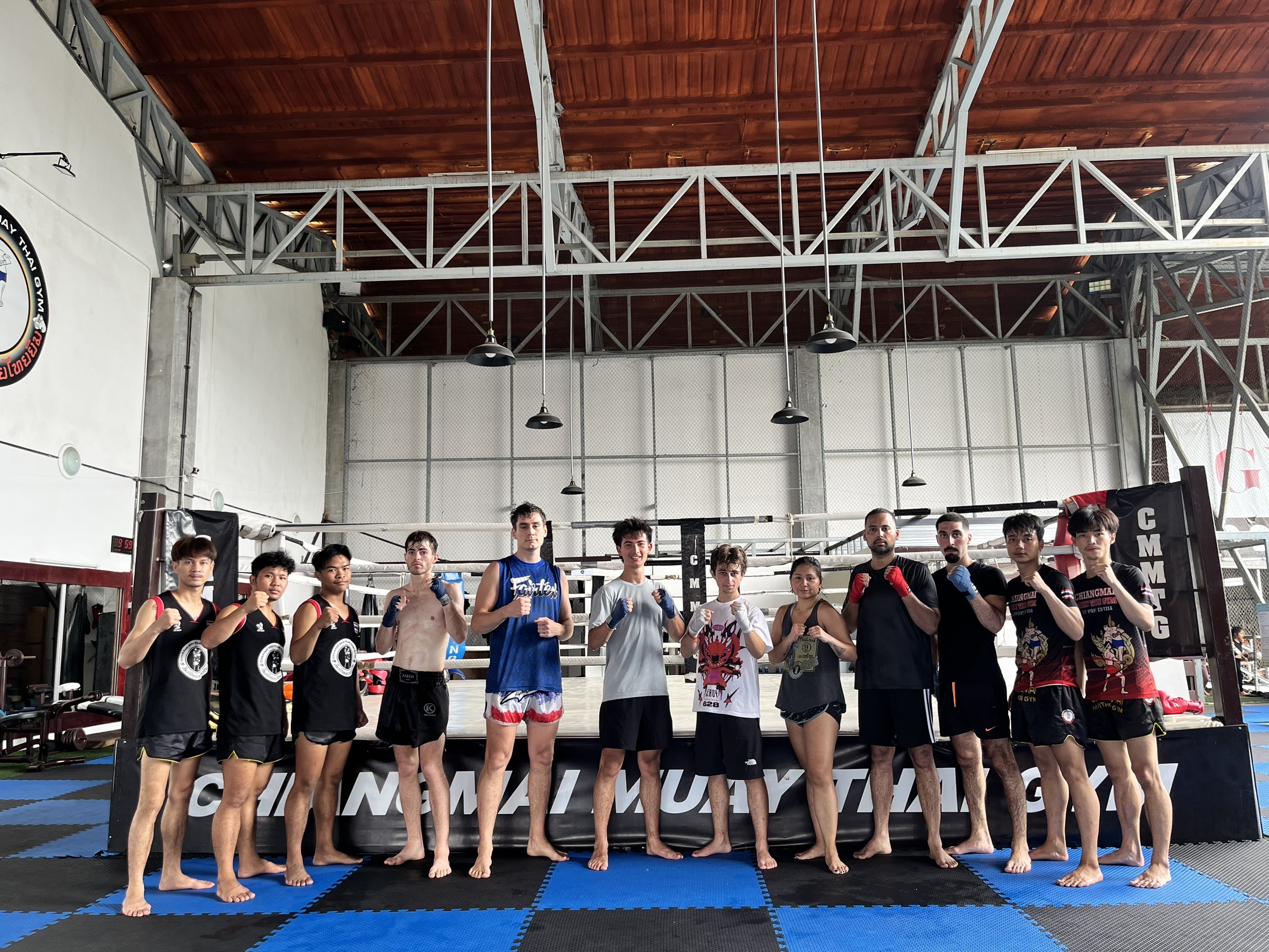
The Old City is the historic square inside the moat — temples, guesthouses, walking-street markets, and the easiest place to land if it's your first time. It's central, walkable, and full of cheap eats within stumbling distance of a gym. Our featured partner, Chiang Mai Muay Thai Gym, is based in the Old City, which makes it a natural pick for a first trip: you can roll out of bed, train, and be back at a café before the afternoon heat.
Nimman (Nimmanhaemin) is the trendy, café-and-co-working side of town near the university. This is digital-nomad central — flat whites, air-conditioned work spaces, a younger crowd. If your plan is "train in the morning, work online in the afternoon," Nimman is where a lot of people set up, then commute a short ride to a gym. It's a bit pricier than the rest of the city, but by island standards still very reasonable.
Santitham is the quieter, more local, more budget-friendly neighbourhood just north of the Old City. Fewer tourists, cheaper rooms, excellent street food, and a favourite among people staying long-term who want to spend less and live more like a resident. If you're here for months rather than weeks, it's worth a look.
You genuinely can't go too wrong — a motorbike or a cheap ride app closes any distance in ten or fifteen minutes. Pick the Old City if you want simple and central, Nimman if you want to work as well as train, Santitham if you're watching the budget.
Our featured Chiang Mai camp — and honest words about the roster
I'll be straight with you about our inventory here, because trust matters more than looking bigger than we are.
In Chiang Mai, our vetted partner is Chiang Mai Muay Thai Gym in the Old City. It's a solid, welcoming base for the northern capital — central location, the kind of place that suits first-timers and returning trainers alike, with packages that run from training-only up through stay-included options. You can see the live details, current pricing and what's actually included on its listing.
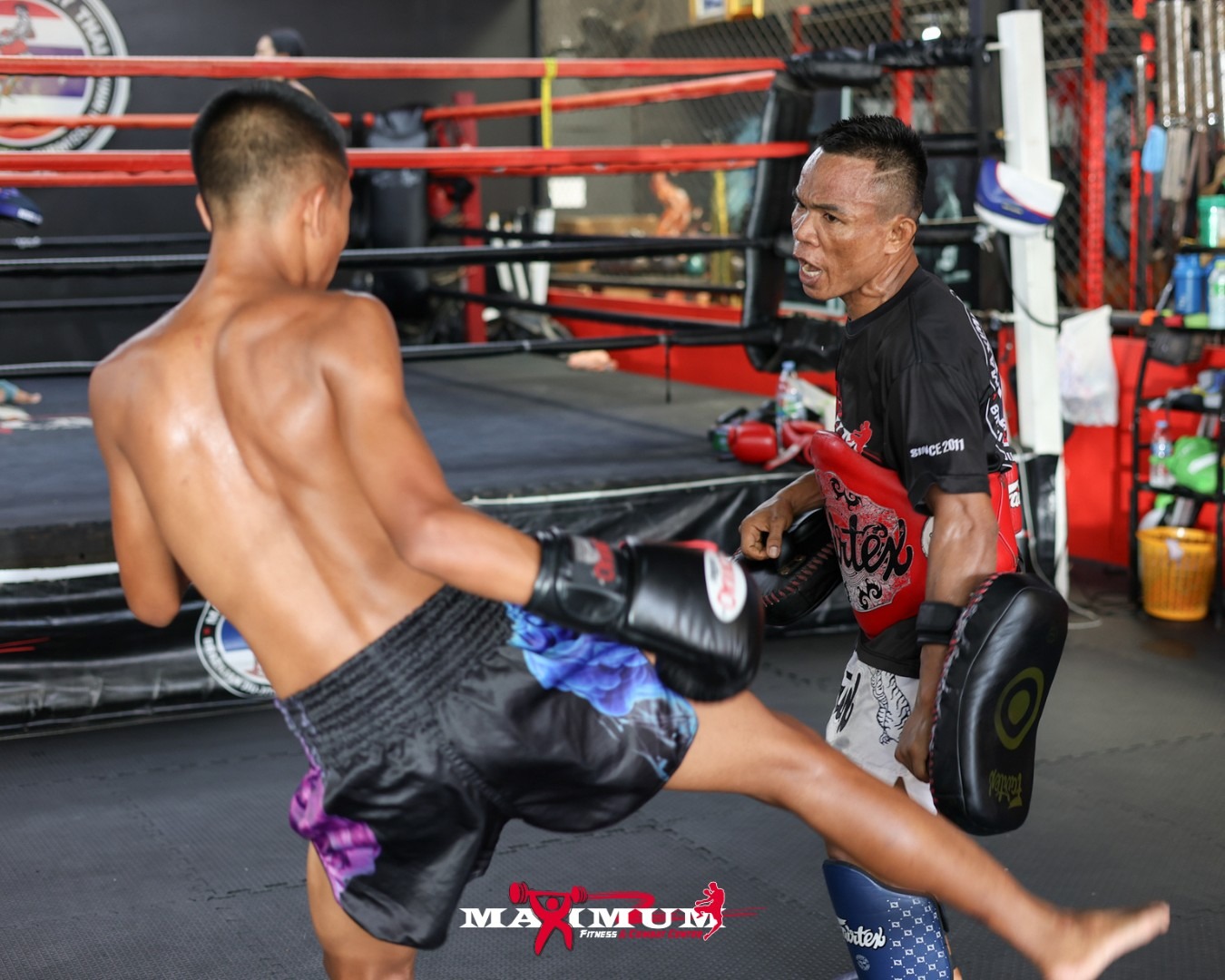
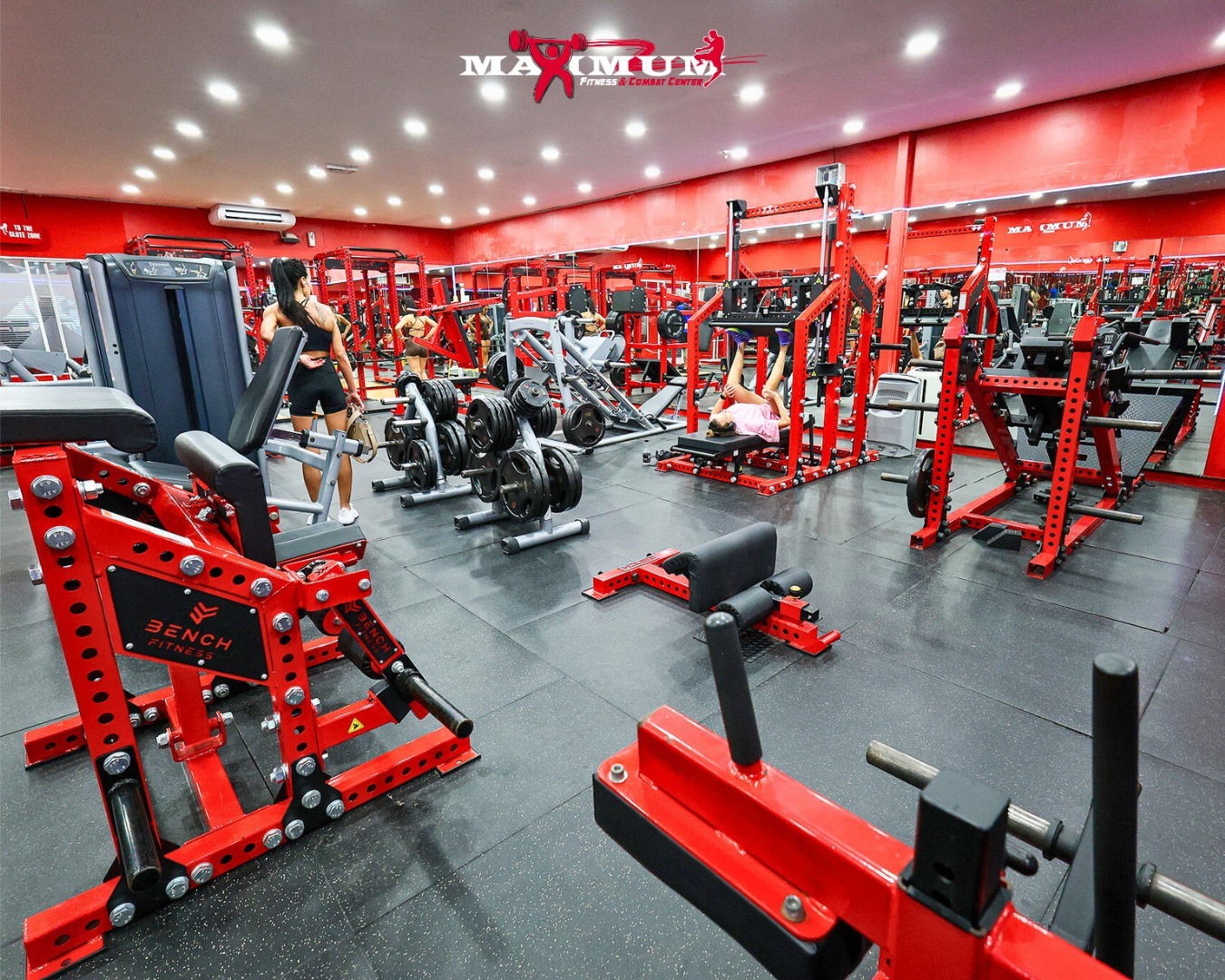
What I won't do is pretend we have ten Chiang Mai camps when we don't. Our northern roster is small and still growing. Most of our vetted partners are in Phuket — Maximum Fitness & Combat Center and RC Rachai in Patong, Kamala Muay Thai in Kamala — plus Khao Lak Muay Thai up in Phang Nga if you want somewhere quieter than the island. So if you land on Chiang Mai and want maximum choice of camps, be aware the deepest selection today is on the islands. If you specifically want the north, Chiang Mai Muay Thai Gym is the one we stand behind, and the trip builder will always show you the current, honest set of options rather than a wish-list.
There are, of course, other well-known gyms in and around Chiang Mai that aren't EFF partners. Plenty of them are good. But I'm only going to vouch for what we've actually vetted, and I'd rather point you to a real listing with live pricing than send you off to a name I can't stand behind.
The long-stay and visa angle
This is where Chiang Mai really pulls ahead. The city is built for staying, and the paperwork now supports it.
For a short trip, most nationalities can enter Thailand visa-exempt for around 30 days — fine for a fortnight of shins-and-clinch and a bit of sightseeing. But if you want to train seriously for months, the option that's changed the game is the DTV — the Destination Thailand Visa — which was designed in part for exactly this kind of long soft-skills stay, Muay Thai included. It can allow much longer stretches in the country without the old visa-run hassle, which is precisely the sort of trip Chiang Mai is best at: settle in, train daily, work remotely, actually improve.
I won't quote you exact fees or promise you'll qualify — rules and requirements change, and eligibility depends on your situation. Check the official Thai government sources, and read our plain-English explainer on the DTV visa for Muay Thai in Thailand before you plan anything long. Get the visa right first; the training is the easy part.
The one big caveat: burning season
Here's the thing nobody in a brochure tells you. Roughly February through April, farmers across the north and neighbouring regions burn crop stubble, and Chiang Mai — sitting in a valley — traps the smoke. Air quality in that window can go from bad to genuinely awful, sometimes among the worst in the world on the readings. Hazy skies, a scratch at the back of your throat, and not the air you want to be sucking down during hard clinch rounds.
If you're prone to breathing issues, or you just want the crisp mornings the north is famous for, I'd avoid booking Chiang Mai in peak burning season and go for the cool, clear stretch instead — think late in the year through January, when it's honestly gorgeous. Or, if your dates are locked to spring, that's a legitimate reason to look at Phuket or Khao Lak instead, where the sea breeze keeps the air moving. It's not a reason to write off Chiang Mai. It's a reason to time it well.
Straight talk, from the ground
Here's my honest take, having trained in Thailand and spent time in the north.
Chiang Mai suits a particular kind of trip, and if it's your kind, nowhere beats it. If you want to come for a long stretch — really learn the sport, not just survive a bootcamp — the cool mornings, the low cost of living and the settle-in culture do something the islands can't. You stop treating training as an event and start treating it as your morning. That's when people actually get good. The 6am roosters, the smell of Tiger Balm before the first round, shins that ache for a solid week until they don't — that stuff hits the same everywhere, but Chiang Mai gives you the runway to push through it instead of flying home three days after it starts to click.
What I'd flag honestly: the scene is smaller. Fewer camps, fewer big fight nights on your doorstep, less of the polished resort-package experience. If you want a camp that organises your recovery, your accommodation and your Instagram shots all in one glossy bundle, the islands do that better. And I would not — genuinely would not — book my first-ever trip into the thick of burning season. Get the timing right and Chiang Mai is a joy. Get it wrong and you'll spend two weeks indoors resenting the sky.
Who I'd send here: the long-stay trainer, the remote worker who wants mornings on the pads and afternoons on the laptop, the budget-conscious person stretching a trip into a proper chapter of their life, and anyone who finds the island party-strip a bit much. Who I'd steer toward Phuket instead: the two-week first-timer who wants everything laid on, the fighter chasing a packed schedule of bouts, and anyone whose only free dates fall in the smoke.
How to actually pick
Work backwards from your trip, not from a gym's marketing.
Start with your timing. If your dates land in the cool season, Chiang Mai is a strong yes. If they land in burning season and you can't move them, seriously weigh an island alternative. Then your length of stay: a fortnight works anywhere, but the longer you're staying, the more Chiang Mai's cost and lifestyle advantages compound. Then your budget — and read the real cost breakdown rather than guessing. Then, if it's a long one, sort the visa before anything else.
Don't obsess over finding the single "best" gym on day one. Almost any decent camp will humble you in the first week regardless of the logo on the ring. What matters far more is that the location, the length and the season fit the trip you actually want.
When you're ready to see the real, current options — with live pricing and honest availability rather than a stale list — put your dates, budget and goals into the trip builder. It'll match you to what genuinely fits, whether that's Chiang Mai Muay Thai Gym in the north or one of our island camps if that turns out to be the smarter call. Better to be matched right than sold hard. See you on the pads.