Best All-Inclusive Muay Thai Camps in Thailand (2026 Guide)
All-inclusive Muay Thai camps roll your training, room and often meals into one package so you land, drop your bags, and train. Here's what that actually buys you in 2026, who it suits, honest pricing, and where to go.
On this page
- Still deciding which camp, not which package?
- What "all-inclusive" actually includes
- The Bronze / Silver / Gold model, in plain English
- Who all-inclusive actually suits (and who it doesn't)
- What it costs in 2026 (hedged, because it has to be)
- Where to go: destinations that fit different people
- Straight talk, from the ground
- Packaged vs flexible: the honest pros and cons
- How to choose without overthinking it
Short answer: at a Thai camp, "all-inclusive" normally means two training sessions a day, six days a week, plus a room on or next to the site. Meals are the variable — sometimes included, often not. Confirm that one line before you pay: it is where most arrival-day disappointment starts, and it separates two very different prices.
An all-inclusive Muay Thai camp bundles your training, your accommodation, and — depending on the package — your meals into one booking, so you arrive, drop your bags in a room a two-minute walk from the ring, and start training the next morning. In 2026 you'll broadly see three tiers of this: training-only (you sort your own room), training plus a room on-site or nearby, and the full package with room and meals rolled together. Which one's "best" honestly depends on how long you're staying and how much you want to think once you land. Prices swing a lot by camp, season and package, so treat any number below as a dated, indicative range and check the live listing before you book.
Let me save you the biggest mistake first: "all-inclusive" doesn't mean the same thing everywhere. At one camp it's a genuine training-eat-sleep bundle. At another it's really "training + a room," and food is on you. That gap is where people get annoyed on arrival. So before anything else, know exactly what your package includes.
Still deciding which camp, not which package?
If you landed here searching for Muay Thai camps in Thailand generally, the package type is the second question — the first is which camp fits your level, your city and how long you are staying. The camp finder asks four questions and returns a ranked shortlist with what each camp actually offers. It is free and takes under a minute.
What "all-inclusive" actually includes
Here's the honest breakdown. When a Thai camp says all-inclusive, you're usually looking at some mix of:
- Training — typically two sessions a day (morning and afternoon), six days a week, with Sunday off. That's the backbone of every package.
- Accommodation — a room on-site or a short walk away. Quality ranges from a fan room with a hard mattress to a proper air-con studio with a pool.
- Food — sometimes included (often a set number of meals a day), sometimes not. This is the one people assume and shouldn't.
- Extras — airport transfer, laundry, hand wraps, a rashguard, maybe a scooter. Nice-to-haves that vary wildly.
The training itself is the constant. It's the room-and-food layer where "all-inclusive" earns or loses the name. My rule: if the word "meals" isn't written down in the package, assume you're buying your own dinner. Thai food near a camp is cheap and unbelievably good, so this isn't a disaster — but you want to know going in, not find out at 7pm on day one.
For a fuller walk-through of how these bundles are structured, we've got a dedicated breakdown of Muay Thai training packages in Thailand that goes deeper than I can here.
The Bronze / Silver / Gold model, in plain English
On Elite Fight Fitness the packages sort into three tiers, and once you get the logic it makes choosing easy.
Bronze is training-only. You get the sessions, you sort your own room and food. This suits the traveller who already knows the area, wants to pick their own guesthouse or Airbnb, and likes controlling their budget day by day. It's also the cheapest way in.
Silver adds accommodation. Now your room's handled — usually on-site or right next door — and you've cut out the single most annoying part of a training trip: finding somewhere decent to sleep in a place you don't know. Food is often still your call.
Gold is the stay-included, full package. Room and accommodation are wrapped in, often with meals and the extras, so it's the closest thing to "just show up." This is what most people mean when they picture an all-inclusive Muay Thai camp. You land, you train, you eat, you sleep, you repeat. No admin.
The right tier isn't about status — it's about how much friction you want to remove. First trip, short stay, don't know the island? Go higher up the tiers. Been before, staying two months, want to live like a local? Bronze and a monthly apartment might genuinely serve you better and cheaper.
Who all-inclusive actually suits (and who it doesn't)
I'll be blunt about this because it saves people money.
All-inclusive is worth it if you're on a shorter trip (say one to four weeks), it's your first time, you're travelling solo and want the built-in community, or you simply value not making decisions after a long-haul flight. The premium you pay buys you time and a soft landing. When you've got two weeks and jet lag, that's a genuinely good trade.
DIY probably wins if you're staying two months or more, you've trained in Thailand before, you're comfortable renting a monthly room and eating at local spots, and you enjoy the logistics. Long-termers almost always find that paying month-to-month for a room and buying a training pass separately comes out cheaper than a rolling all-inclusive package. The maths flips somewhere around the one-month mark for a lot of people.
There's no shame in either. I've done both. The mistake is booking a three-month all-inclusive package because it felt "safe," then realising by week three you're paying a convenience premium you no longer need. If you want to sanity-check the numbers, our Muay Thai training cost guide for Thailand lays out where the money actually goes.
What it costs in 2026 (hedged, because it has to be)
I'm not going to invent precise figures — anyone who quotes you an exact all-in price for "any camp" is guessing. What I can give you is the shape of it, as of early 2026, and you verify the real number on the live listing.
Training-only tends to be the cheapest slice, priced weekly or monthly, with monthly passes offering the best per-session value. Add accommodation and the total climbs depending on room quality — a fan room and an air-con studio with a pool are not the same line item. Full packages with meals sit at the top because you're paying for the food and the convenience, not just the mats.
Season matters more than people expect. High season (roughly November to February) is busier and pricier; the hot and rainy months are quieter and often softer on the wallet. Longer bookings almost always bring the per-week cost down. And the single biggest variable is the accommodation tier inside the package — that's usually what separates a mid-range quote from a premium one.
Because prices genuinely vary by camp, season and package, the honest move is to check the current listing or run the numbers in the trip builder, which prices real packages in your own currency rather than making you convert in your head.
Where to go: destinations that fit different people
Thailand isn't one Muay Thai experience. The island or city you pick shapes your whole trip.
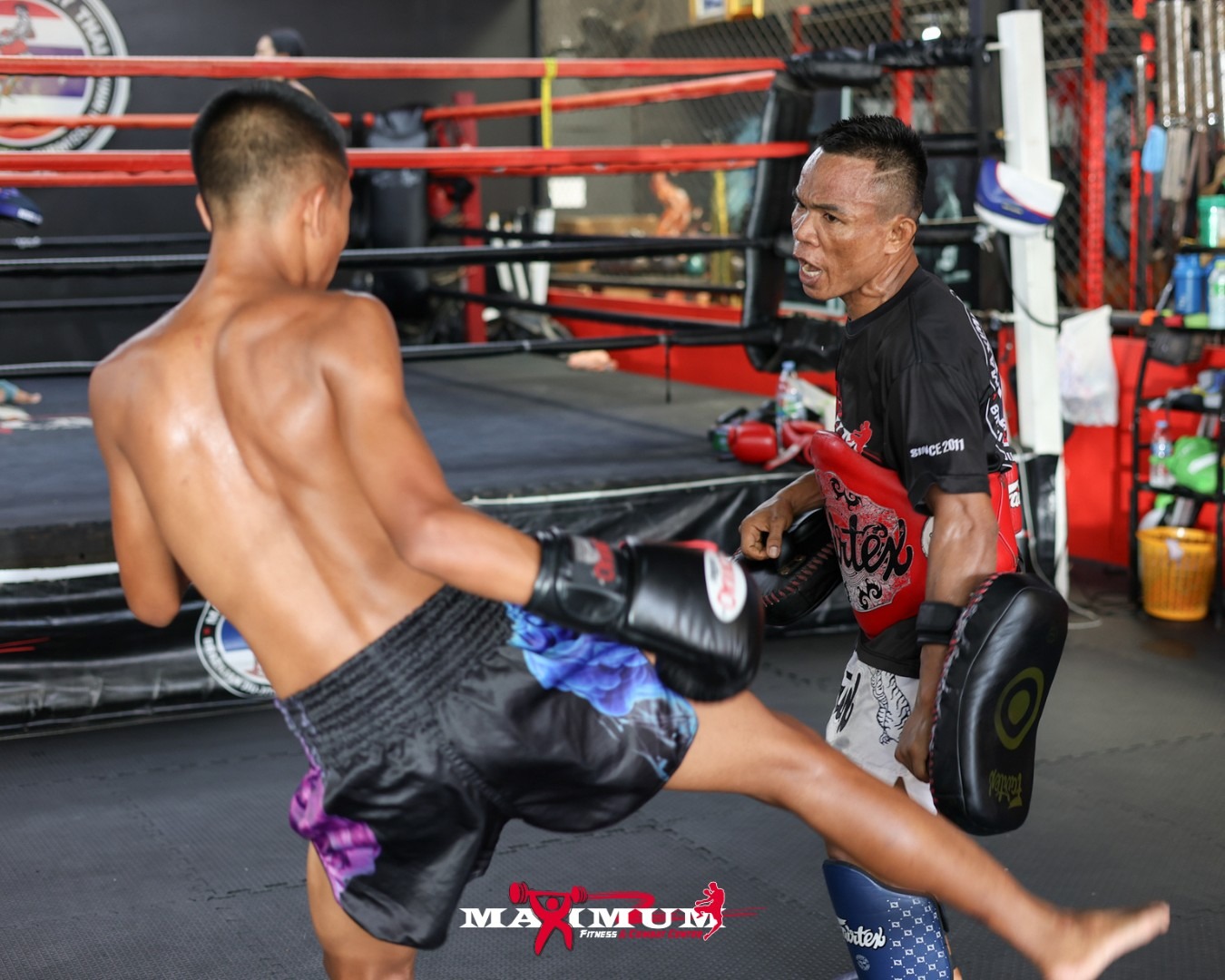
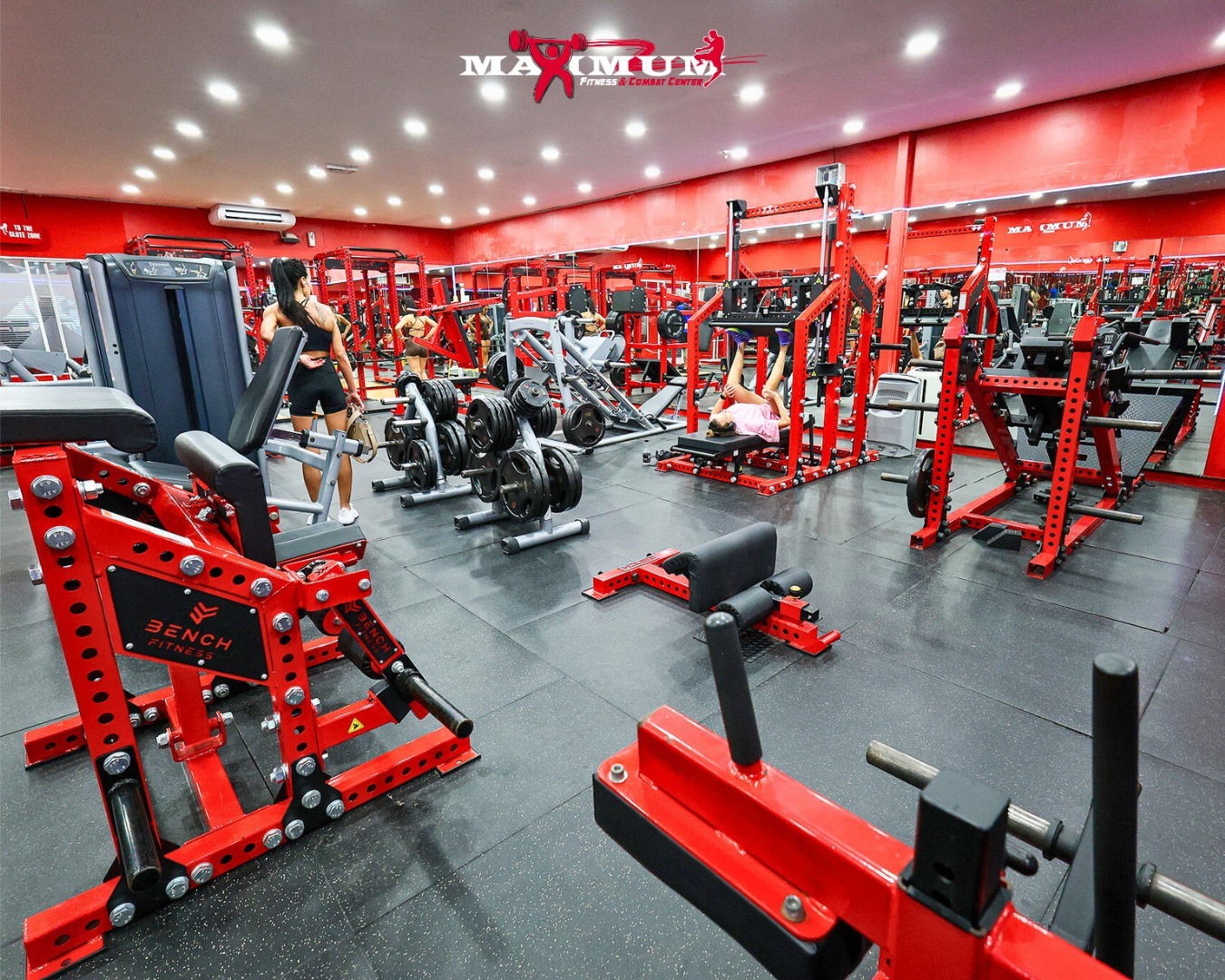
Phuket is the obvious first stop, and for good reason — it's got the deepest concentration of camps, an airport that connects to everywhere, and enough going on off the mats that non-training rest days don't get boring. Around Patong you've got camps like Maximum Fitness & Combat Center and RC Rachai, while over in quieter, greener Kamala there's Kamala Muay Thai. Patong's lively and central; Kamala's calmer if the party scene isn't your thing. If accommodation quality is high on your list, our Phuket Muay Thai accommodation guide breaks down what to expect where.
Chiang Mai in the north is a completely different mood — cooler, more laid-back, cheaper to live in, and popular with people who want to train hard but chill hard too. Chiang Mai Muay Thai Gym in the Old City sits right in the walkable heart of it. If Phuket sounds too much, the north is your answer.
Phang Nga, up near Khao Lak, is for the traveller who wants sand, calm and space over nightlife. Khao Lak Muay Thai is the pick there — think training with the beach genuinely nearby and far fewer crowds.
Krabi and Bangkok both have Muay Thai scenes, but Elite Fight Fitness doesn't have a vetted partner camp in either yet, so I won't pretend there's inventory to book. Stick to where the camps are actually vetted.
Straight talk, from the ground
Here's the honest, first-hand bit.
The first three days of a real Muay Thai camp are humbling. Your shins ache in places you didn't know existed. The 6am starts feel cruel until, somewhere around day four, they don't. The smell of Tiger Balm becomes the smell of the whole trip. Afternoon clinch rounds in the heat will teach you more about your own limits than any gym back home ever has. This is the good part — but go in expecting your body to protest for a week.
On all-inclusive specifically: I genuinely think the packaged route is underrated for first-timers and overrated for veterans. When it's your first trip, having your room sorted and your food a non-issue lets you spend all your mental energy on actually training and recovering, which is the entire point of flying across the world. That convenience is worth real money in week one. But I've also watched people lock into long all-inclusive deals out of nerves and then quietly realise they'd have been happier — and richer — with a monthly apartment and a training pass. So match the package to the trip, not to your anxiety about the trip.
One more true thing that doesn't get said enough: the camp's vibe matters more than its facilities. A slightly scruffier gym with trainers who actually watch you and correct your teep will do more for you than a glossy resort-style camp where you're one of forty faceless tourists. When you're comparing options, weigh the coaching culture, not just the pool.
Packaged vs flexible: the honest pros and cons
Packaged (all-inclusive) — the good: zero admin on arrival, instant community, one price to plan around, and someone's already vetted the room. Brilliant for short and first trips.
Packaged — the catch: you pay a convenience premium, you're locked to that camp's accommodation, and for long stays it's rarely the cheapest path.
Flexible (DIY) — the good: cheaper over long stays, total control of where you sleep and eat, freedom to switch camps if one doesn't click.
Flexible — the catch: it's on you to sort everything, the first few days can be stressful in an unfamiliar place, and there's no built-in crew to train and eat with.
Neither is "better." They suit different trips. Be honest about which trip you're actually taking.
How to choose without overthinking it
Start with three questions: How long am I staying? Is this my first time? How much do I want to decide once I land? Short, first, and "as little as possible" push you toward Gold. Long, experienced, and "I'll handle it" push you toward Bronze plus your own room. Everything else is detail.
Then check real availability and real prices rather than guessing from a blog — including this one. The trip builder matches you to vetted camps based on your dates, level and destination, and shows live pricing in your own currency, which beats mentally converting baht at midnight. Tell it what you're after, see what fits, and book the version of Thailand you actually want — not the one you were nervous into.
Whichever tier you land on, you're about to get your shins wrecked and your head cleared in equal measure. Enjoy it.