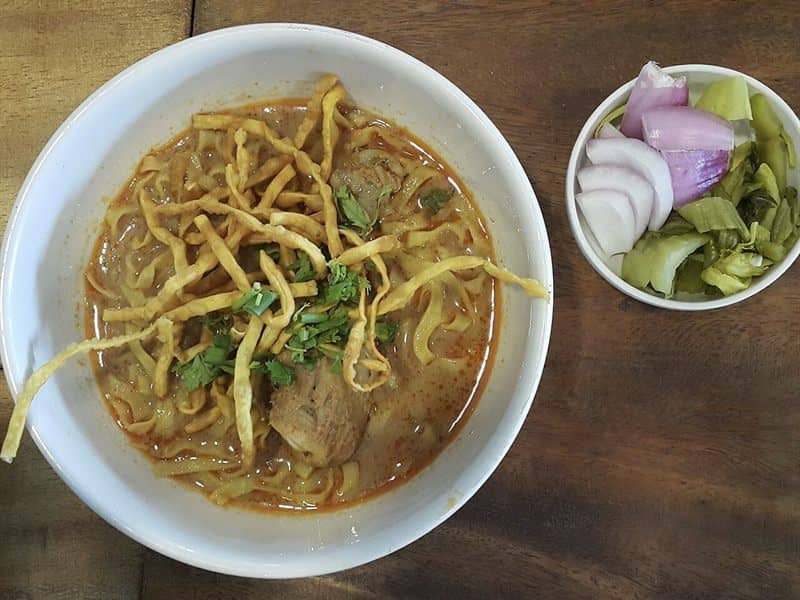
Khao soi
The north's icon — egg noodles in golden coconut curry.
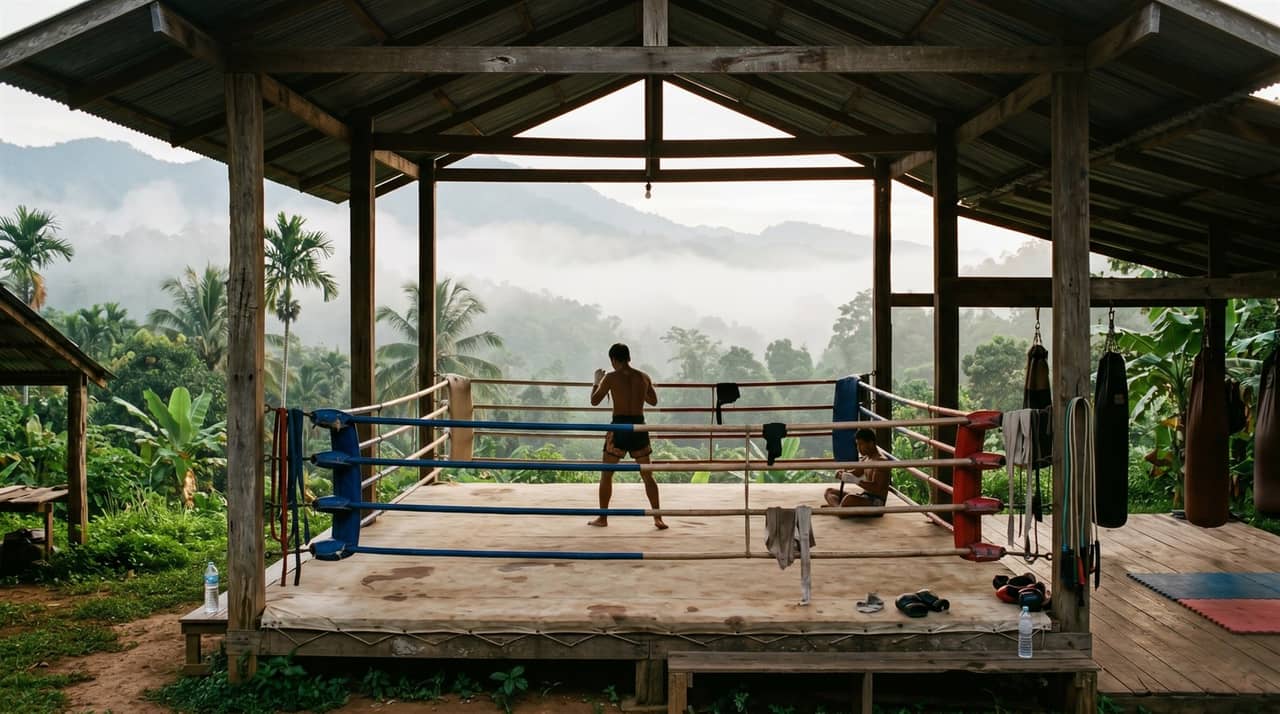
Misty Lanna calm, café culture and Thailand's best value — the city built for the long training stay.
Chiang Mai is where people come to train and stay. Cradled by northern mountains, the old city moves at a gentler pace than the rest of Thailand — temples and café-lined lanes, cool mornings, and a community of long-stay students and remote workers who've quietly made it home.
It's the easiest place in the country to live well on a small budget. You can train twice a day, work from a café in between, and rent a comfortable condo for less than a single month's rent back home. For DTV-style long stays, nothing else comes close.
The northern training scene is friendly and unhurried, without sacrificing quality. Camps here are used to students who stay for months, so coaching is patient and relationship-driven — you become a regular, not a tourist. It suits beginners finding their feet and anyone building a sustainable, day-after-day routine.
Because the cost of living is so low, Chiang Mai is the natural choice for a true training sabbatical. Many students pair morning and evening sessions with a slower midday, and spend weekends up in the mountains or among the city's temples and markets.
Indicative ranges, independently researched mid-2026. Local prices move with season and exchange rate — always confirm current costs before you book.
Misty mountains, slow mornings, and room to train for months.
Chiang Mai is the easiest place in Thailand to settle into a routine. Furnished condos in Nimman or the Old City rent by the month for a fraction of Western prices, the café and co-working scene is world-class, and a scooter covers everything. It's a city designed, almost by accident, for the training sabbatical.
Indicative ranges, independently researched mid-2026. Local prices move with season and exchange rate — always confirm current costs before you book.
Chiang Mai is the heart of the old Lanna kingdom, and it still feels distinct from the rest of Thailand — its own dialect, its own crafts, and a softer, more spiritual rhythm shaped by centuries of relative independence and Burmese and Lao influence.
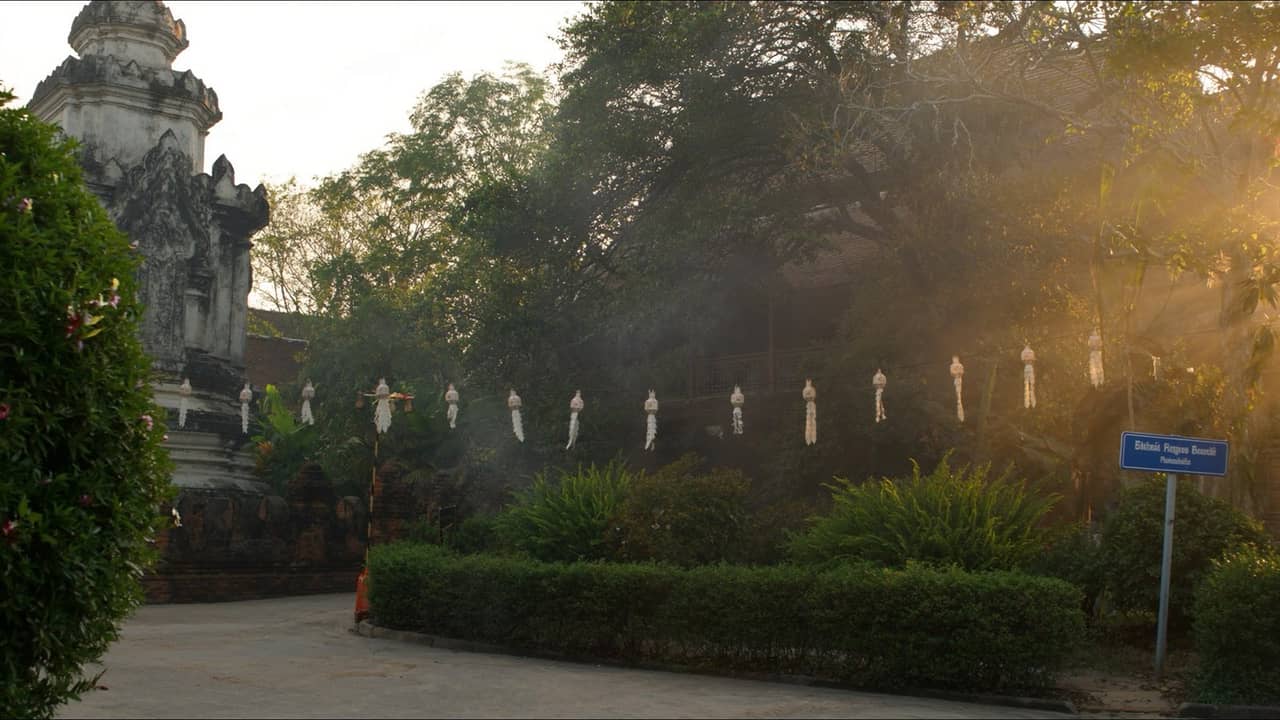
It's the most festival-rich of the destinations: each November, Yi Peng and Loy Krathong fill the sky and the rivers with light. The flip side is the smoky 'burning season' from roughly February to April, when air quality drops and many students plan time elsewhere.
Northern Lanna food is milder, earthier and herb-driven — sticky rice, slow-cooked curries and smoky grilled sausage.
The north's icon — egg noodles in golden coconut curry.
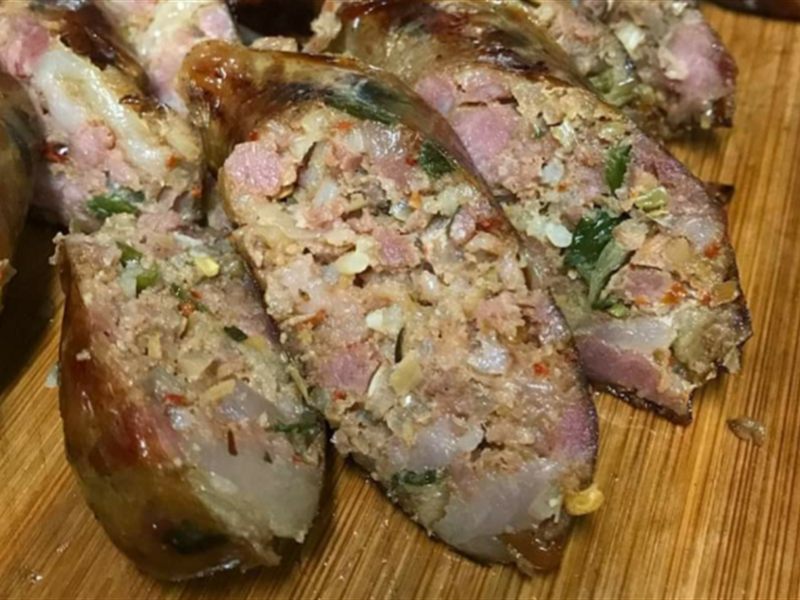
Herby, lemongrass-rich Chiang Mai grilled sausage.

A mild tomato-and-pork chilli dip with sticky rice.
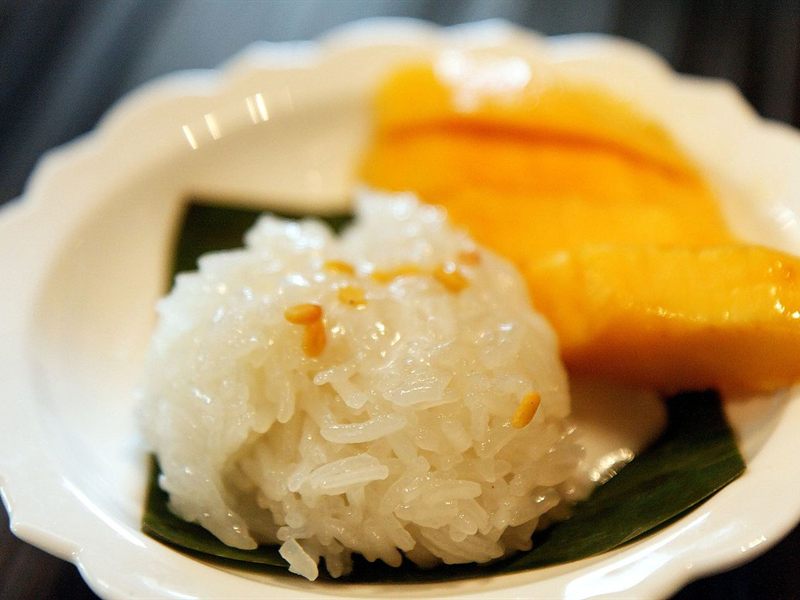
Mango with sweet coconut sticky rice.
The landmarks worth your rest days in and around Chiang Mai.
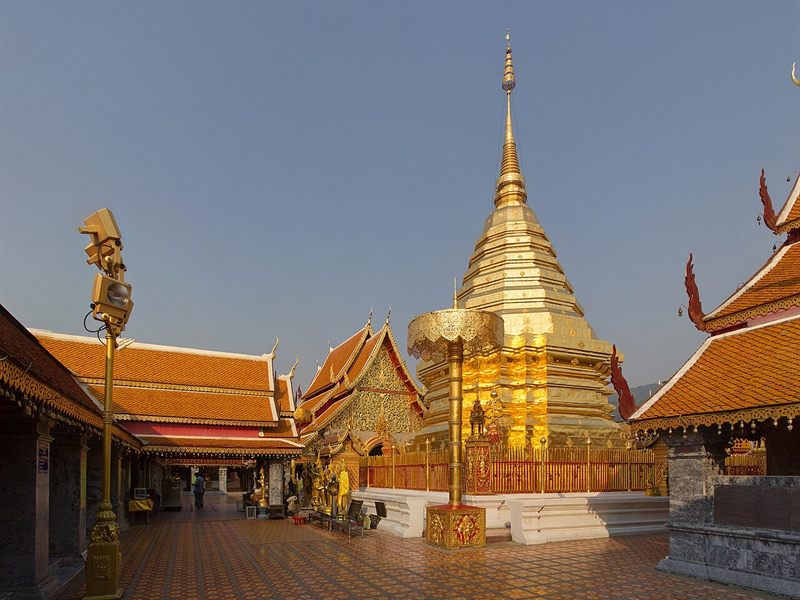
The golden hilltop temple with sweeping views over the city.
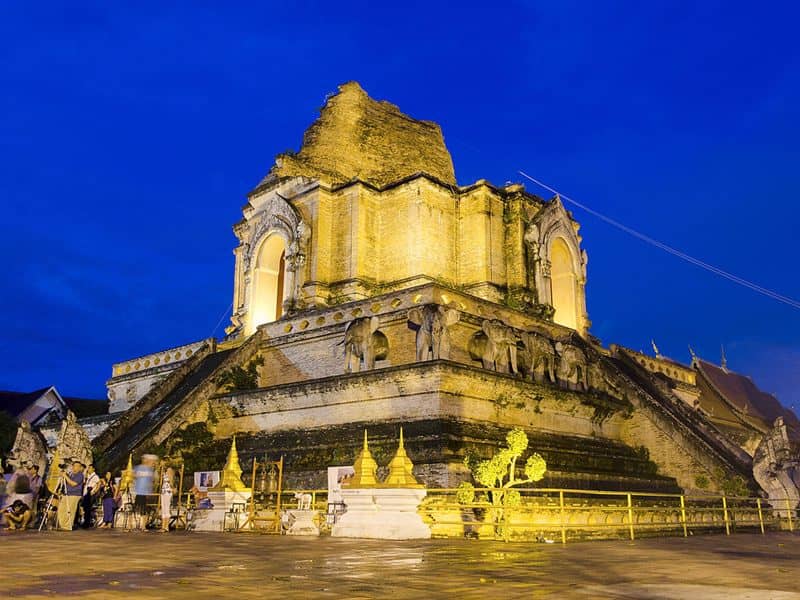
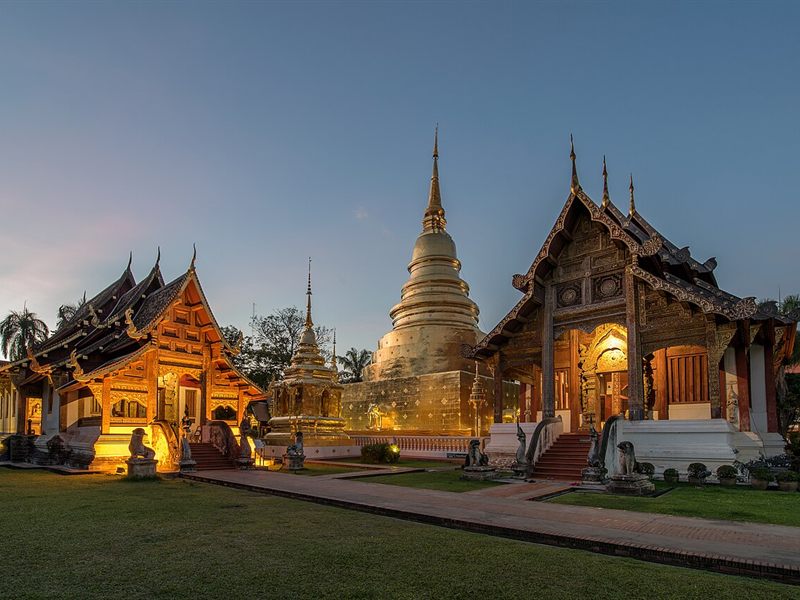
Wat Chedi Luang and Wat Chiang Man anchor the moated old town.
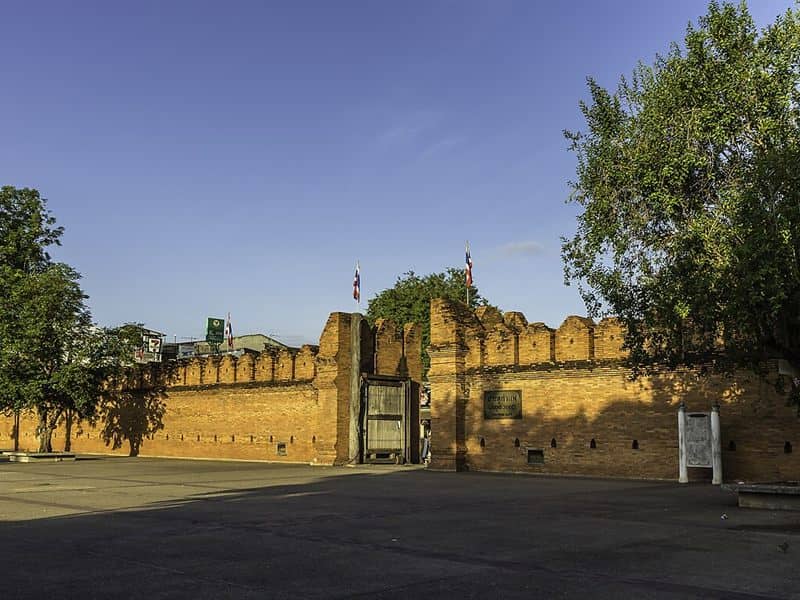
A kilometre of crafts and street food through the old city every Sunday.
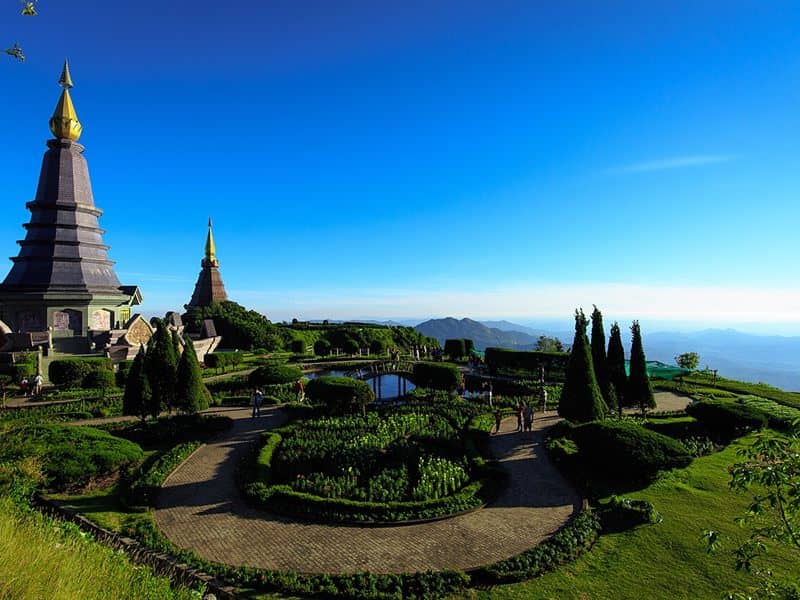
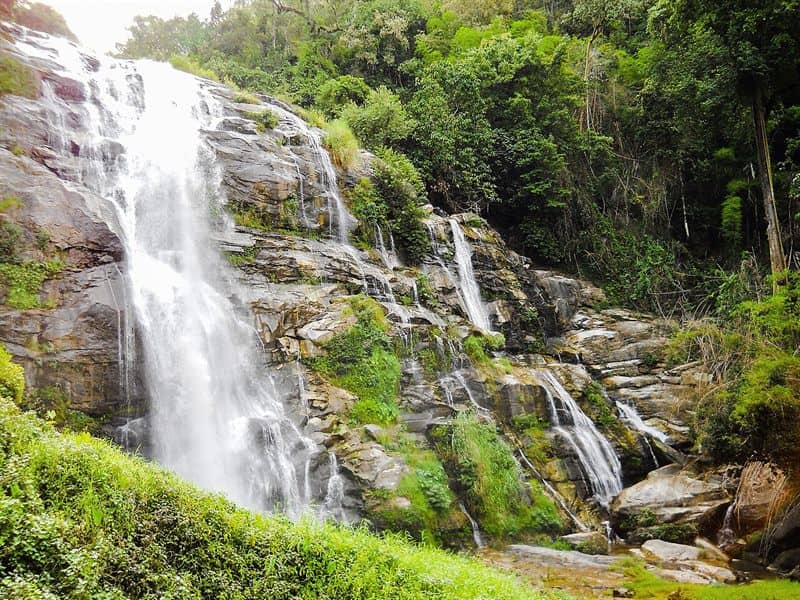
Thailand's highest peak — waterfalls, cloud forest and cool air.
The café, co-working and nightlife district loved by nomads.

No-riding sanctuaries in the surrounding hills.
How visitors fill the hours between training in Chiang Mai.
Master northern dishes like khao soi at a farm or in-town class.
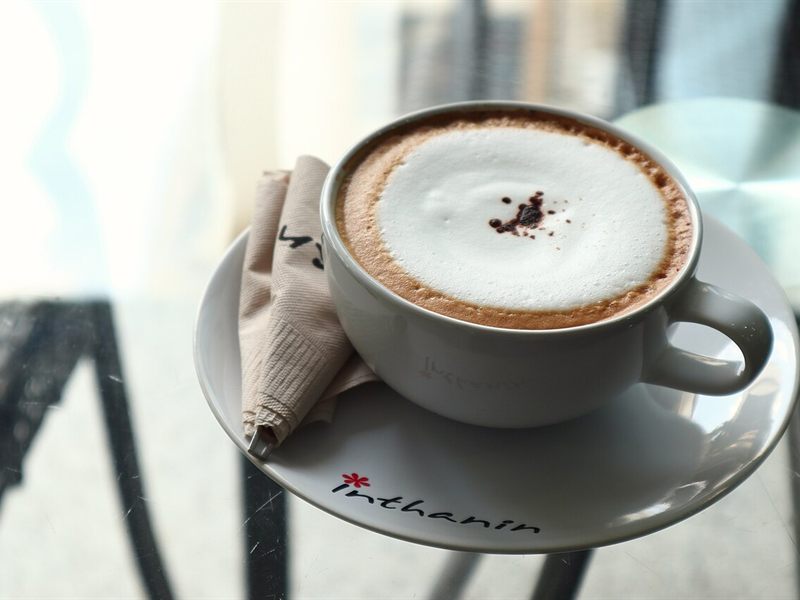
Nimman's specialty-coffee and remote-work scene between sessions.
Golden-hour temples and Thailand's highest peak above the city.

Ethical, no-riding sanctuaries in the surrounding hills.
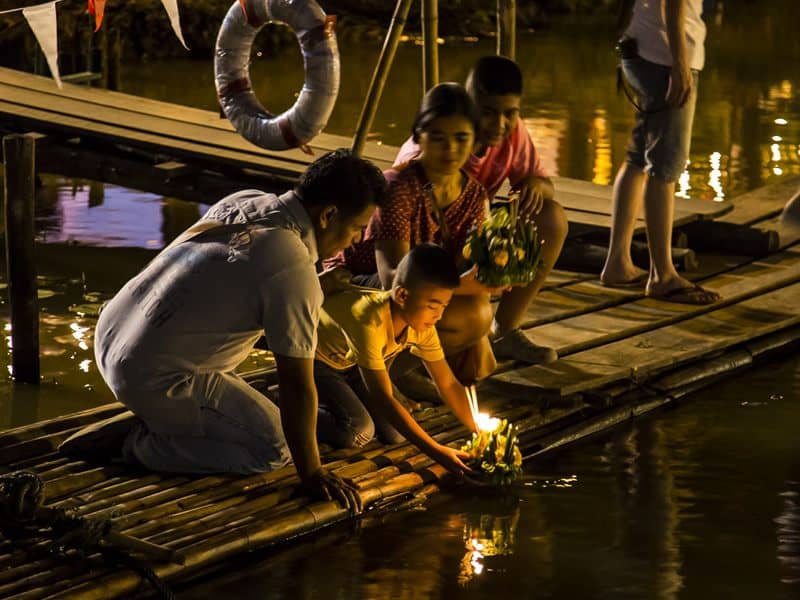
Yi Peng and Loy Krathong light the November skies and rivers.
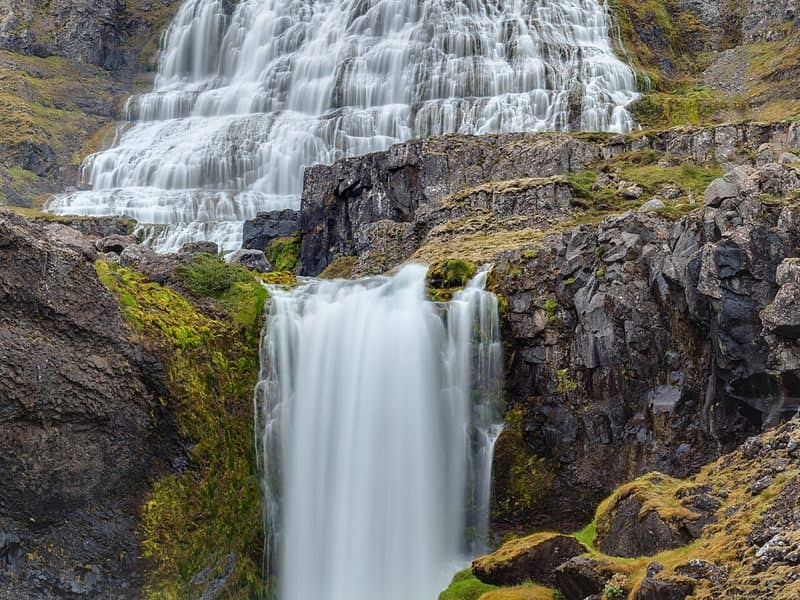
Cool mountain air, jungle trails and tiered waterfalls.
Speak to a member of the team for personal accommodation recommendations in Chiang Mai.
Cookies help us see which camps get compared and which ads bring real travellers. Your choice. Learn more