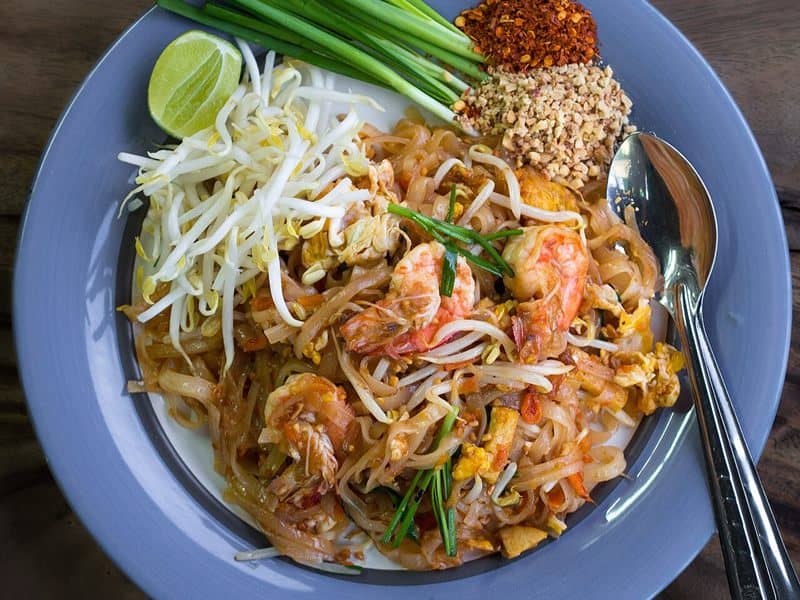
Pad Thai
The national noodle, done right at the source.
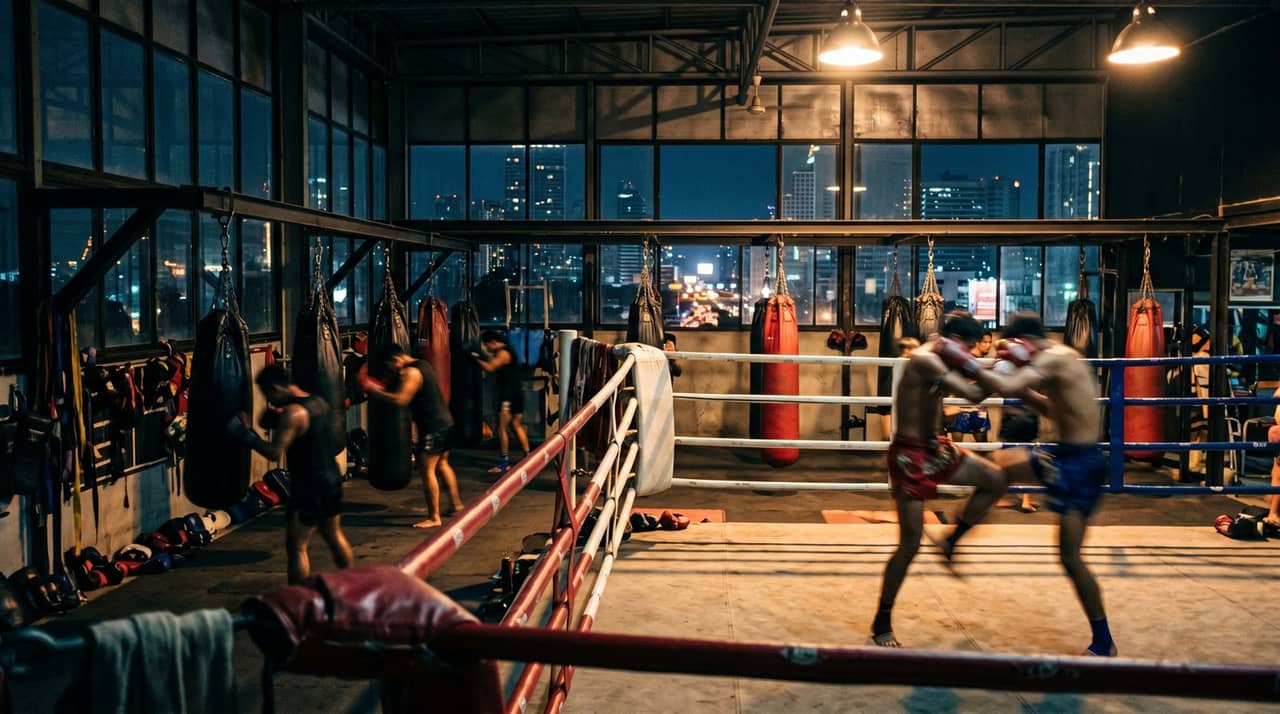
Thailand's capital is the sport's beating heart — stadium fights, world-class coaching and a city that never really stops.
If Phuket is where the world comes to train, Bangkok is where Muay Thai actually lives. This is the city of Lumpinee and Rajadamnern, of fighters who step into the ring on national television, of gyms tucked between markets and motorway flyovers. It's loud, hot, relentless — and completely real.
Bangkok rewards the traveller who wants the sport on its own terms. You won't be hand-held the way you are on the islands, but you'll train alongside active Thai fighters, absorb the culture at its source, and watch the best in the world fight live, a few feet from the ropes.
Bangkok has the deepest coaching pool in Thailand. Many gyms are home to professional Thai fighters, which means sharp pad work, real clinch sparring and an intensity that pushes intermediate and advanced students hardest. Beginners are welcome too — but the city assumes you're here to work.
The unmissable ritual is fight night. Rajadamnern and Lumpinee stage live cards several nights a week, where you'll feel the gambling roar, the live sarama music and a technical brilliance no class can teach. Tickets run roughly $14–86 depending on the seat — ringside is worth it once.
Indicative ranges, independently researched mid-2026. Local prices move with season and exchange rate — always confirm current costs before you book.
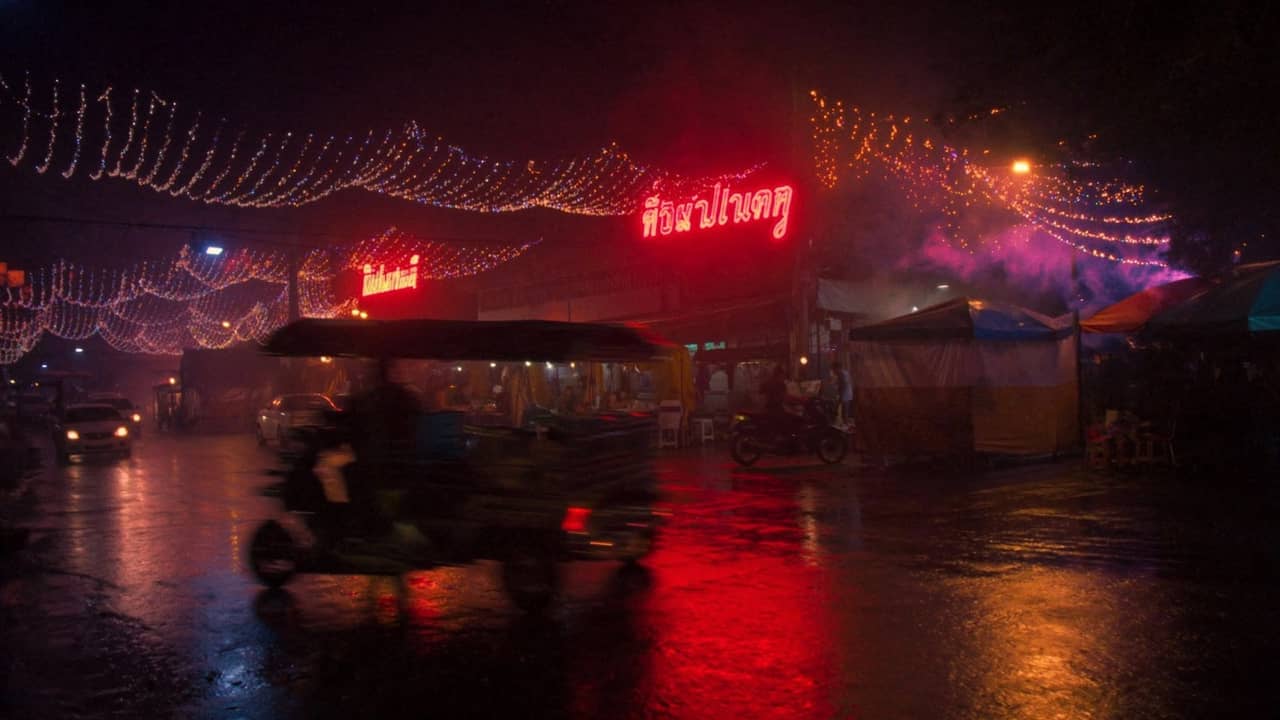
The city that never stops — where Muay Thai actually lives.
Living in Bangkok means trading space for energy. Most students base themselves near a BTS or MRT station — Sukhumvit and Phrom Phong are popular — and lean on the trains and Grab to beat the traffic. Street food makes eating cheap and brilliant, while air-conditioned malls and co-working spaces handle the heat.
Indicative ranges, independently researched mid-2026. Local prices move with season and exchange rate — always confirm current costs before you book.
Bangkok is the political, royal and cultural capital — fast, modern and densely layered. Central Thai is the country's standard dialect, and the city's food and manners set the national template, softened by deep Teochew-Chinese roots you taste all over Chinatown.
Compared with the calmer north or the beach-first south, Bangkok is pure intensity: traffic, heat and energy in equal measure. It's the least 'holiday' of the destinations — you come for the sport and the city, not to switch off.
Central Thai cooking is all about balance — sweet, sour, salty and spicy in careful harmony — and Bangkok's streets do it better than anywhere.
The national noodle, done right at the source.
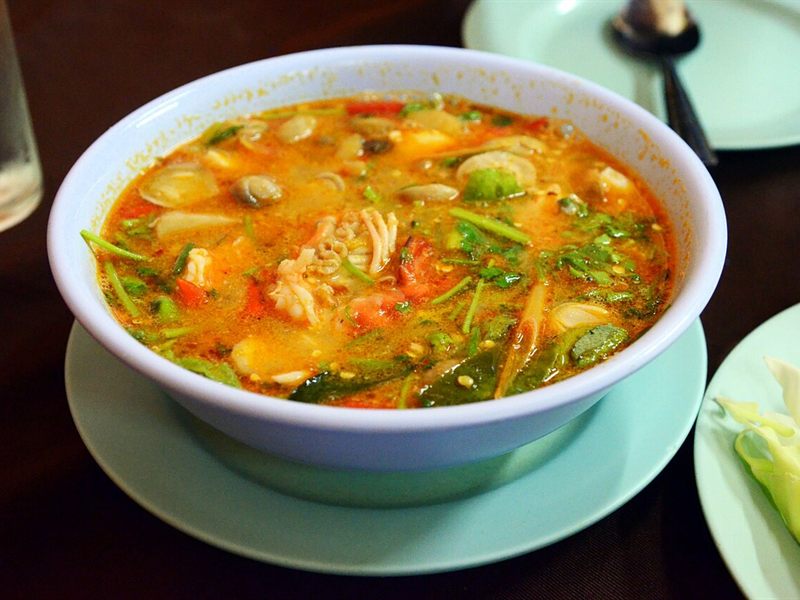
Hot-and-sour prawn soup, fragrant with lemongrass and lime.
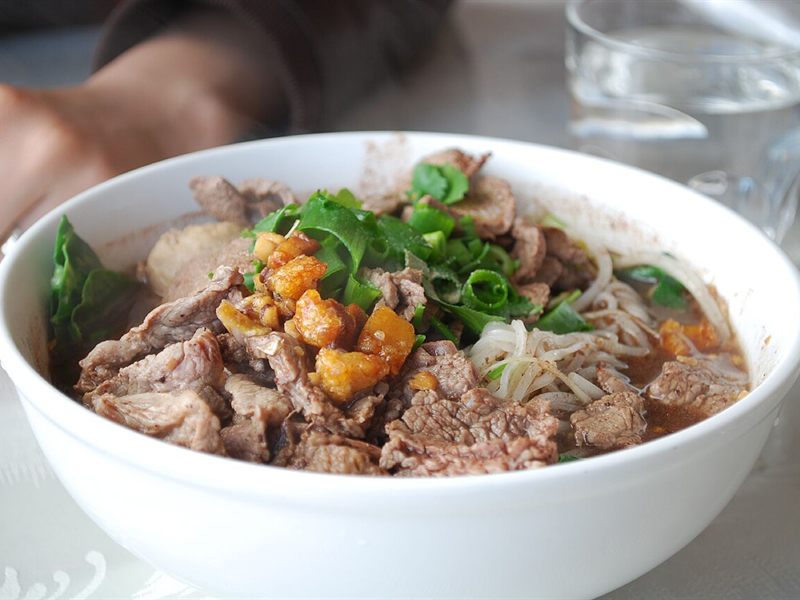
Tiny, intense bowls of dark, rich broth.
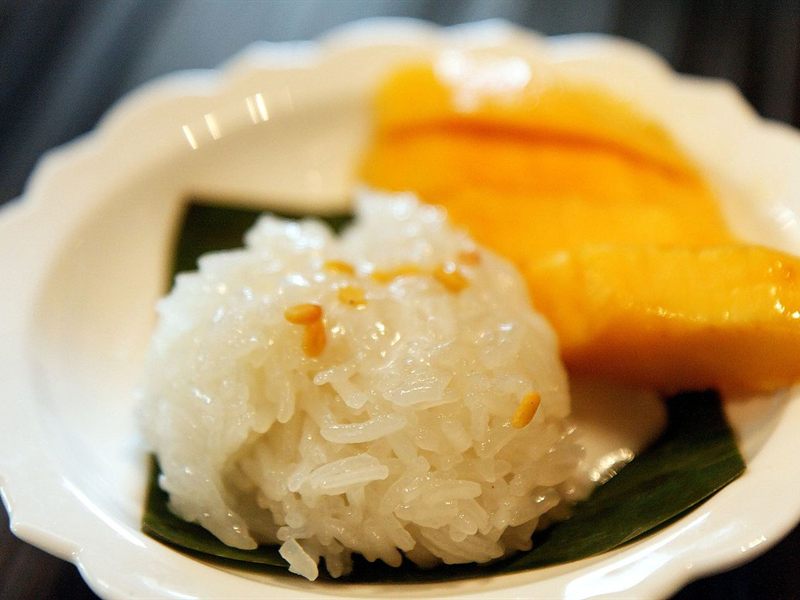
The perfect post-training sugar hit.
The landmarks worth your rest days in and around Bangkok.
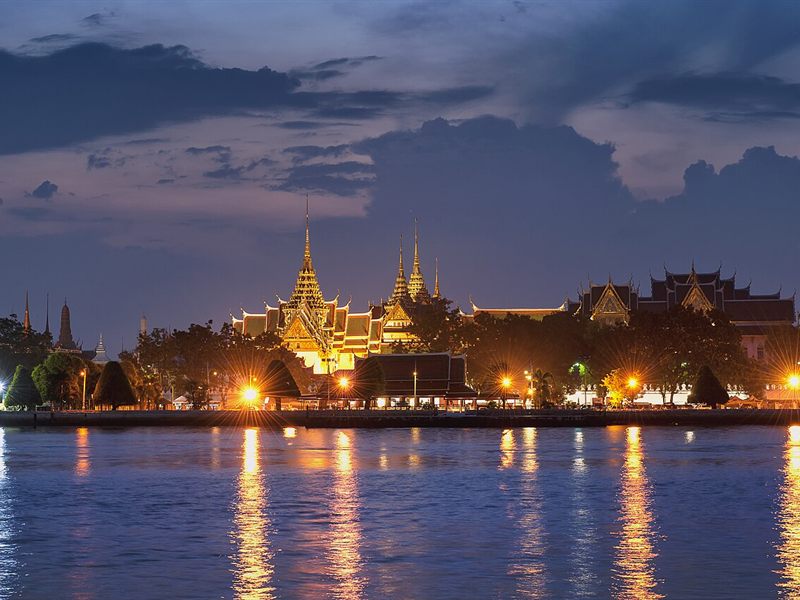
The dazzling royal complex and Thailand's most sacred temple.
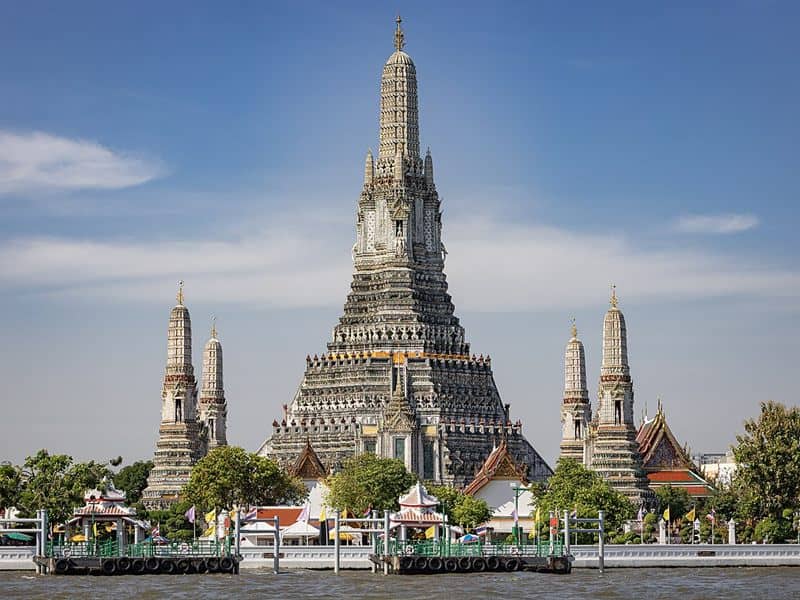
The riverside Temple of Dawn and the giant Reclining Buddha.
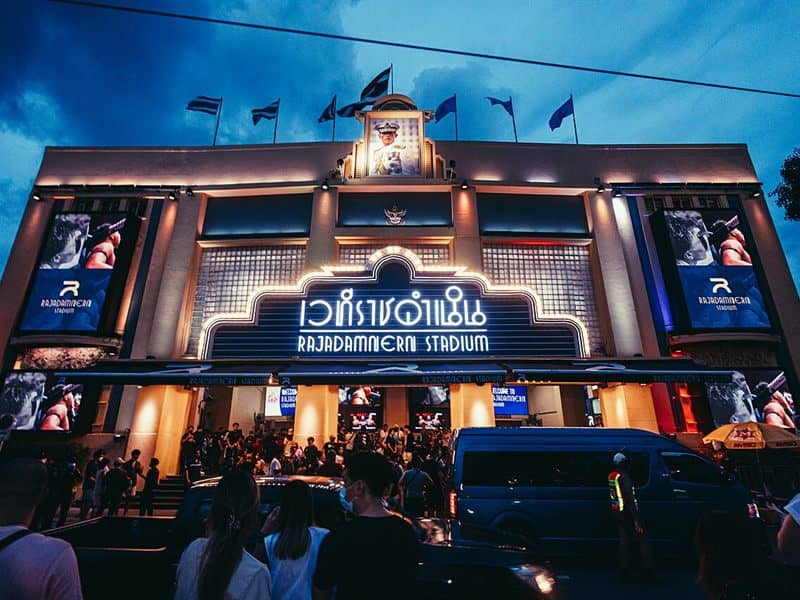
The two cathedrals of Muay Thai — see a live card at least once.
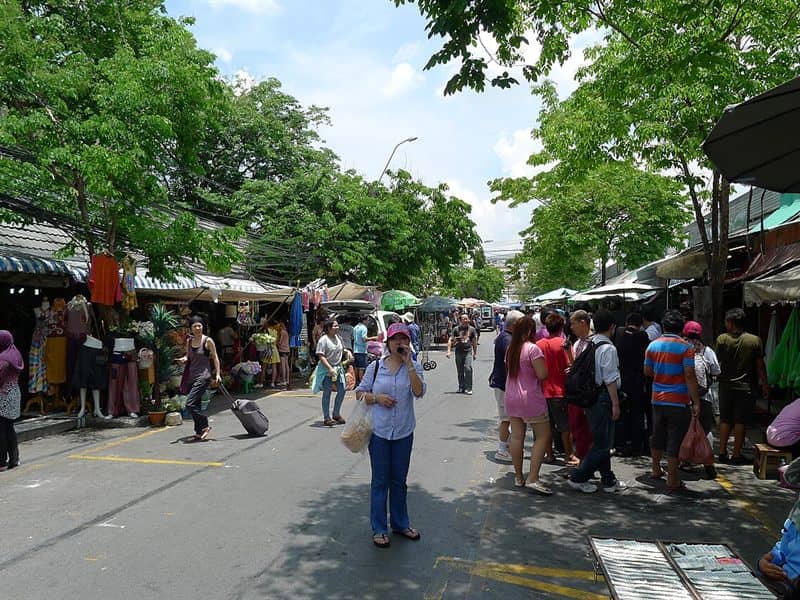
One of the world's largest markets — 15,000+ stalls of everything.
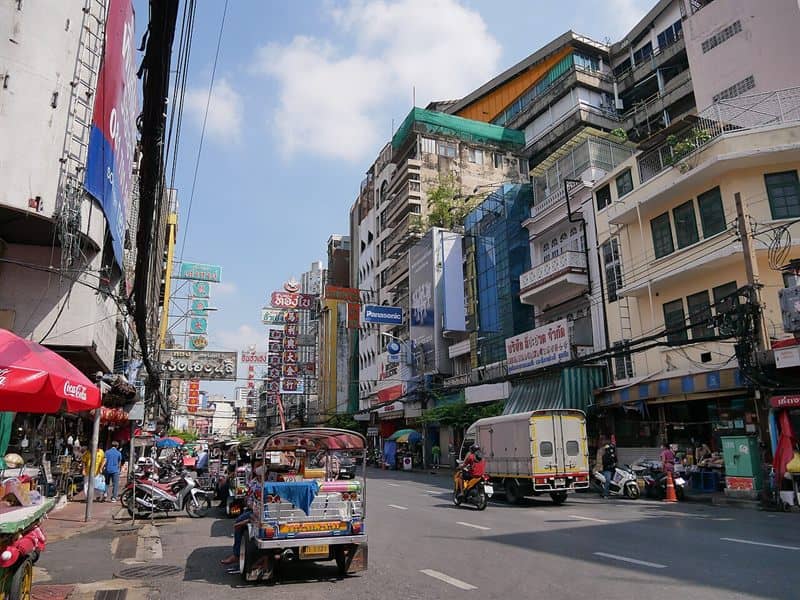
After dark, the country's most electric street-food strip.
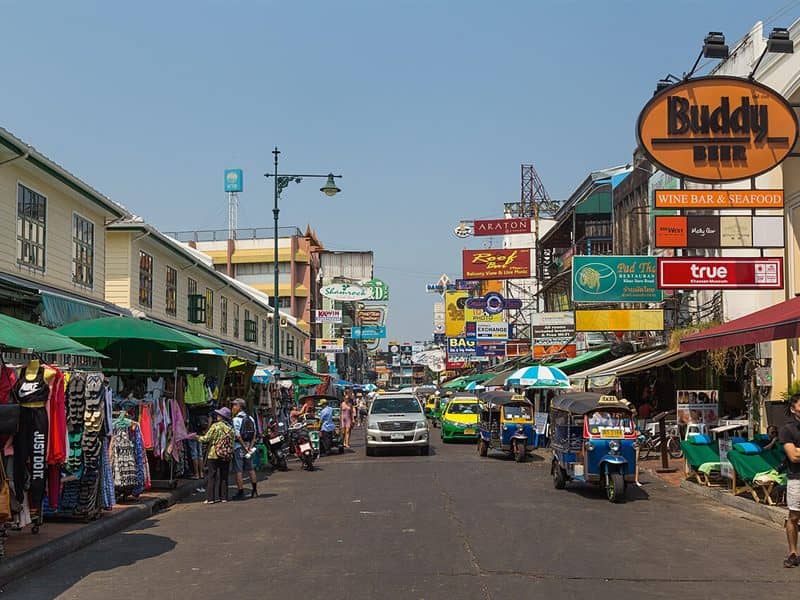
Backpacker buzz by night; a green lung for morning runs by day.
How visitors fill the hours between training in Bangkok.
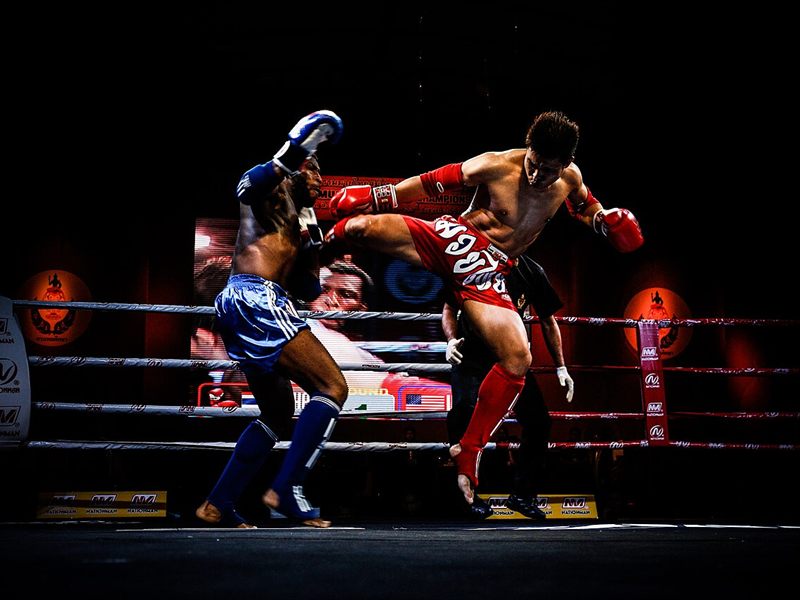
Ringside at Lumpinee or Rajadamnern — the sport at its highest level.
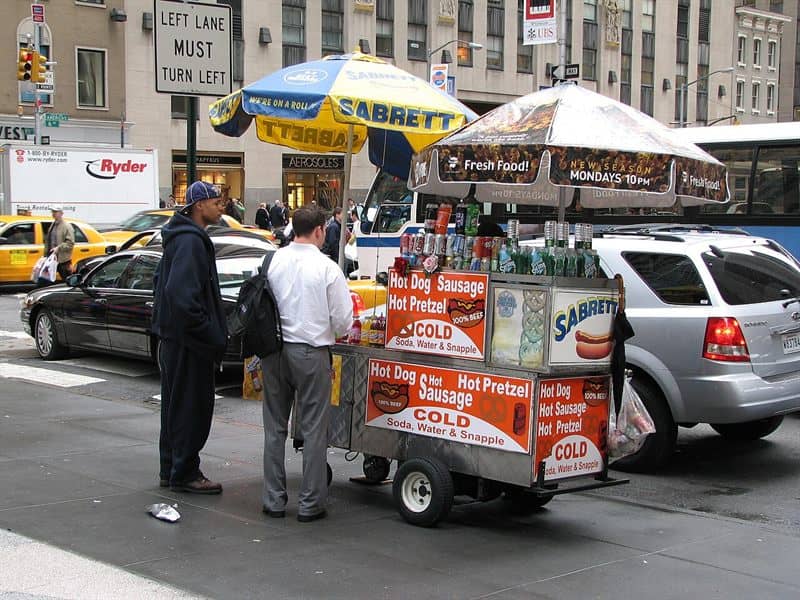
Eat through Chinatown's legendary night-time food strip.
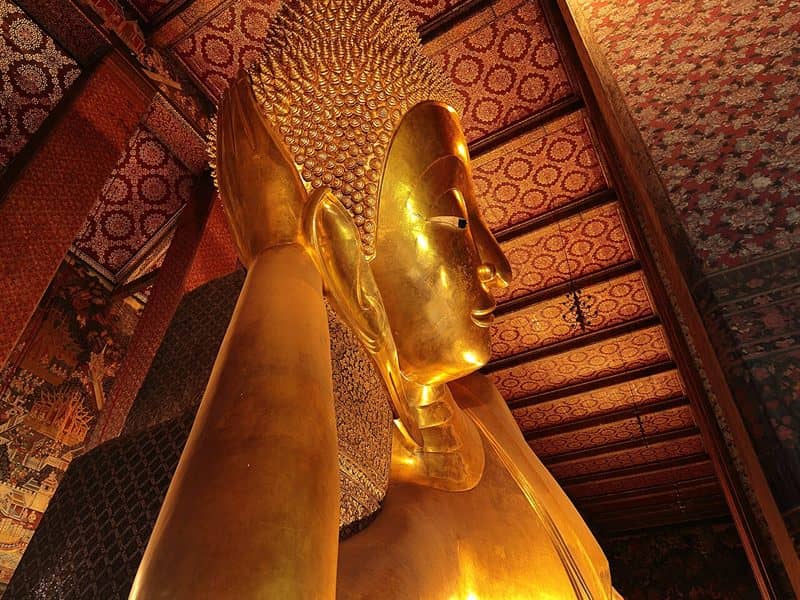
The Grand Palace, Wat Pho and Wat Arun along the river.
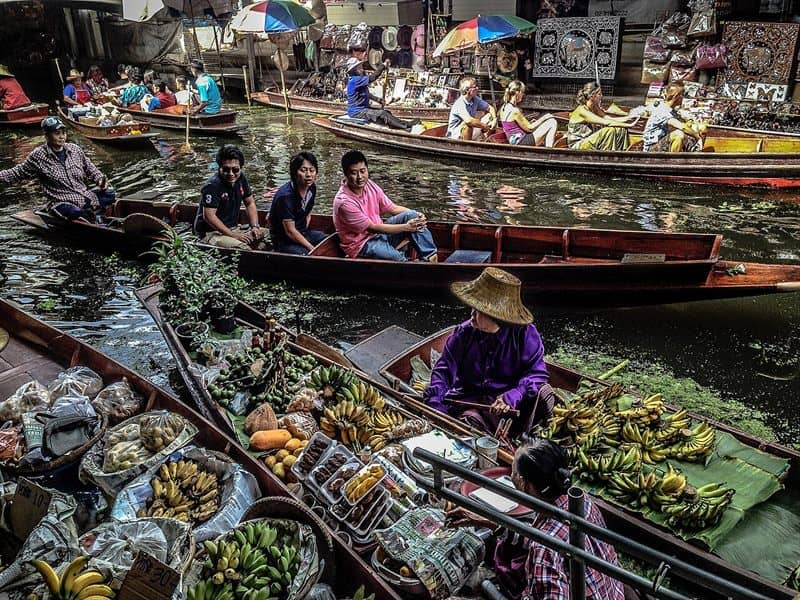
Long-tail rides through the khlongs and floating markets.
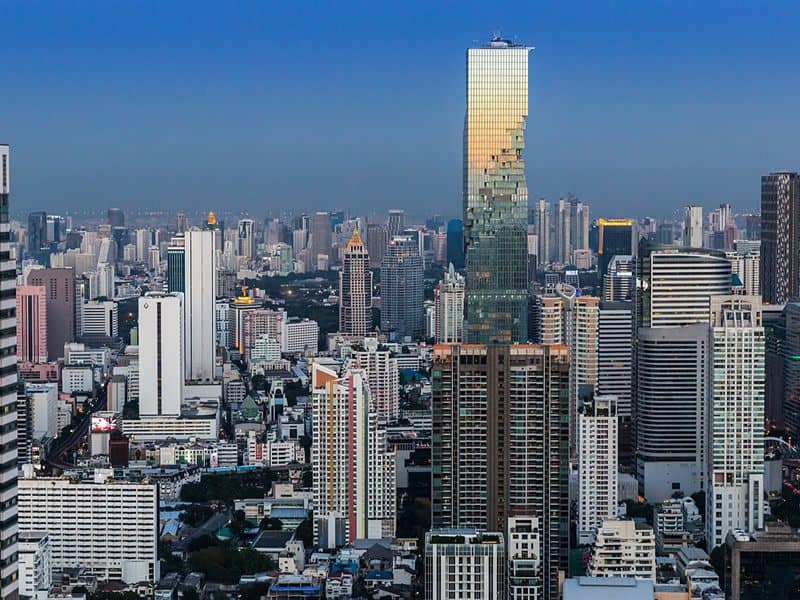
Skyline bars and sprawling night markets after dark.
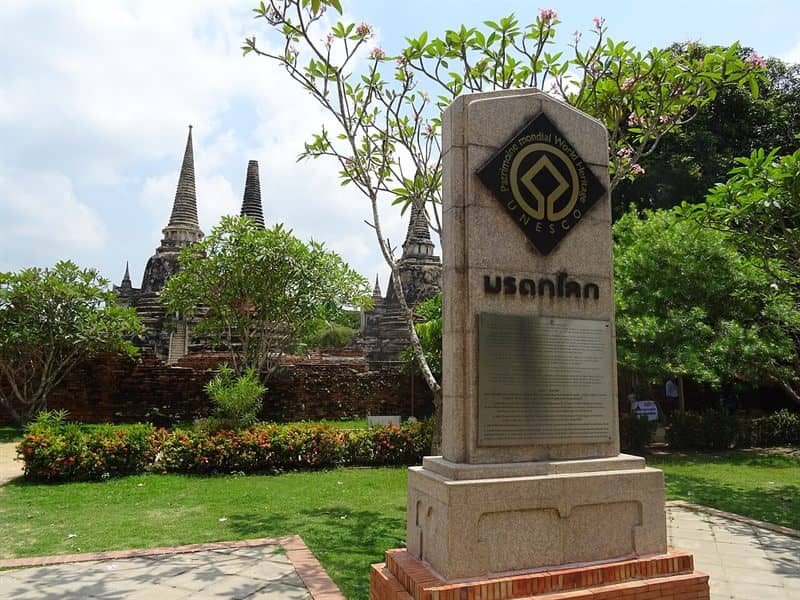
The ancient temples of Ayutthaya, an easy day from the city.
Speak to a member of the team for personal accommodation recommendations in Bangkok.
Cookies help us see which camps get compared and which ads bring real travellers. Your choice. Learn more